Blockchain technology has garnered significant attention in recent years, and its applications extend far beyond cryptocurrencies. One of the most promising areas of exploration is its potential use in the field of forensics, where the integrity, transparency, and immutability of blockchain can revolutionize how evidence is gathered, stored, and analyzed. This article delves into the intersection of blockchain technology and forensics, examining its implications, applications, and future prospects.
Understanding Blockchain Technology
Blockchain is a decentralized, distributed ledger technology that records transactions across a network of computers. Each transaction, or block, is securely linked to the previous one, forming an unalterable chain. This structure ensures that once data is entered into the blockchain, it cannot be modified without the consensus of the network participants.
The key features of blockchain technology include:
- Decentralization: Unlike traditional databases, which are controlled by a single entity, blockchain operates on a peer-to-peer network. This decentralization reduces the risk of data manipulation and increases security.
- Immutability: Once a block is added to the blockchain, it cannot be changed or deleted. This characteristic is vital for forensic applications, as it ensures the integrity of evidence.
- Transparency: All participants in the blockchain can view the entire transaction history, promoting accountability and trust.
The Role of Blockchain in Forensics
The application of blockchain technology in forensics can enhance various aspects of criminal investigations and evidence management. Below are several key areas where blockchain can make a significant impact:
1. Evidence Chain of Custody
One of the most critical aspects of forensic investigations is maintaining a clear chain of custody for evidence. Any break in this chain can compromise the integrity of the evidence and jeopardize legal proceedings. Blockchain can be utilized to create a tamper-proof record of who accessed or modified the evidence at any point in time.
By registering each transaction related to the evidence on the blockchain, forensic investigators can ensure that every action is timestamped and logged, providing a comprehensive audit trail. This transparency can be crucial during court proceedings, where the integrity of evidence is often challenged.
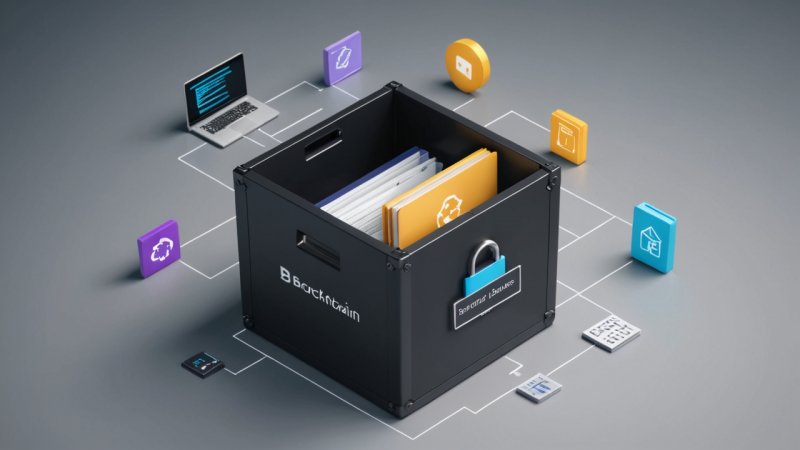
2. Secure Evidence Storage
Storing physical evidence securely is a significant challenge for law enforcement agencies. Blockchain can facilitate secure storage solutions by providing a digital representation of the evidence. Each item can be assigned a unique digital fingerprint, known as a hash, which is stored on the blockchain. This hash can be used to verify the authenticity of the evidence without the need to physically access it.
In addition to preventing tampering, this method also allows for remote access and sharing among authorized personnel, enhancing collaboration between agencies and experts.
3. Digital Forensics
In the realm of digital forensics, blockchain can help in tracing the origin of digital files and ensuring their integrity. For instance, when investigating cybercrimes, forensic analysts can use blockchain to track the history of a digital asset, verifying its creation, modification, and distribution.
Moreover, blockchain can be instrumental in securing digital communications. By encrypting messages and storing them on the blockchain, individuals can ensure that only intended recipients can access sensitive information, protecting it from unauthorized access.
4. Smart Contracts in Forensics
Smart contracts, self-executing contracts with the terms of the agreement directly written into code, can automate various processes in forensics. For example, a smart contract can be programmed to release evidence to a specific party only after certain conditions are met, such as the completion of a legal review.
This automation can streamline processes, reduce human error, and enhance the efficiency of forensic investigations. Furthermore, the transparency of smart contracts ensures that all parties are aware of the conditions and actions taken, fostering trust among stakeholders.
Case Studies and Real-World Applications
Several organizations and projects are exploring the integration of blockchain technology in forensic applications. Below are notable case studies demonstrating its practical use:
Case Study 1: Everledger
Everledger is a blockchain-based platform that tracks the provenance of high-value assets, including diamonds and wine. By utilizing blockchain, Everledger ensures that the history of each item is recorded and immutable, making it easier to verify authenticity and fight fraud. This application can be adapted to forensic investigations, where establishing the origin and history of evidence is crucial.
Case Study 2: CaseGuard
CaseGuard is a platform that uses blockchain technology to manage and store evidence securely. By creating an immutable record of evidence collection, storage, and handling, CaseGuard enhances the chain of custody and ensures compliance with legal standards. This solution has been adopted by law enforcement agencies to improve their evidence management processes.
Case Study 3: The Interplanetary File System (IPFS)
IPFS is a peer-to-peer network that allows users to store and share files in a decentralized manner. When combined with blockchain, IPFS can provide a robust solution for storing digital evidence. By hashing files and storing their metadata on the blockchain, investigators can ensure the integrity and authenticity of digital evidence over time.
Challenges and Limitations
While the potential of blockchain in forensics is immense, several challenges need to be addressed:
1. Adoption and Integration
Many law enforcement agencies and forensic laboratories may be hesitant to adopt new technologies, particularly those that require significant changes to existing workflows. Education and training are essential to ensure that personnel are equipped to utilize blockchain effectively.
2. Legal and Regulatory Considerations
The legal implications of using blockchain technology in forensics are still being explored. Courts may need to establish guidelines for accepting blockchain-based evidence, and lawmakers may need to create regulations governing its use.
3. Technical Limitations
Blockchain technology is still evolving, and scalability, speed, and storage capacity remain concerns. As the volume of evidence increases, the blockchain must be able to handle the load without compromising performance.
Future Prospects
The future of blockchain technology in forensics is promising, with ongoing research and development aimed at overcoming existing challenges. As more organizations recognize the benefits of blockchain, we can expect to see increased collaboration and innovation in this space.
Furthermore, advancements in related technologies, such as artificial intelligence and machine learning, can enhance the capabilities of blockchain-based forensic solutions, enabling more efficient data analysis and evidence handling.
Conclusion
Blockchain technology has the potential to transform the field of forensics by enhancing evidence integrity, security, and transparency. By providing a decentralized, immutable record of evidence, blockchain can improve the chain of custody, secure evidence storage, and streamline forensic processes. While challenges remain, the growing interest in blockchain applications in forensics suggests a promising future for this intersection of technology and criminal justice.