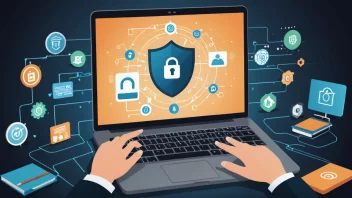
In today's digital age, the protection of children's data privacy has become a significant concern. With the growing number of online platforms and services catering to younger audiences, it is essential for parents, educators, and policymakers to understand the guidelines and regulations governing children's data privacy.
Children are more vulnerable to data breaches and exploitation due to their limited understanding of online risks. The Children's Online Privacy Protection Act (COPPA) is a federal law in the United States designed to protect the privacy of children under the age of 13. It requires companies to obtain parental consent before collecting personal information from children, ensuring that their data is handled responsibly.
The key elements of COPPA include:
- Parental Consent: Companies must get verified consent from a parent or guardian before collecting data from children.
- Data Usage Transparency: Websites must provide clear information about their data collection practices.
- Right to Review: Parents have the right to review and delete their child's personal data.
- Data Security: Companies are required to implement reasonable security measures to protect children's data.
Beyond COPPA, various regulations and guidelines exist globally to safeguard children's data. For instance, the General Data Protection Regulation (GDPR) in Europe sets strict rules regarding the collection and processing of personal data, including that of minors. Under GDPR, children under the age of 16 require parental consent to use online services, and companies must ensure that the information is presented in an age-appropriate manner.
Schools and educational institutions also bear a critical responsibility in protecting students' data. They should adopt comprehensive data privacy policies and educate students about safe online practices. Implementing secure systems for data storage and access, training staff on data protection, and including parents in discussions about data privacy are vital steps.
Moreover, technology companies are increasingly developing tools designed to enhance children's online safety. Features such as privacy settings, content filters, and parental control applications empower families to manage their children's internet usage effectively. For example, platforms like YouTube Kids provide curated content and restrict access to potentially harmful material.
In conclusion, protecting children's data privacy online is a shared responsibility that requires cooperation among parents, educators, regulators, and technology providers. Understanding and adhering to guidelines such as COPPA and GDPR, along with implementing best practices in schools and at home, can significantly mitigate risks associated with children's online activities. As technology continues to evolve, ongoing vigilance and education will be essential to ensure a safer digital environment for our children.