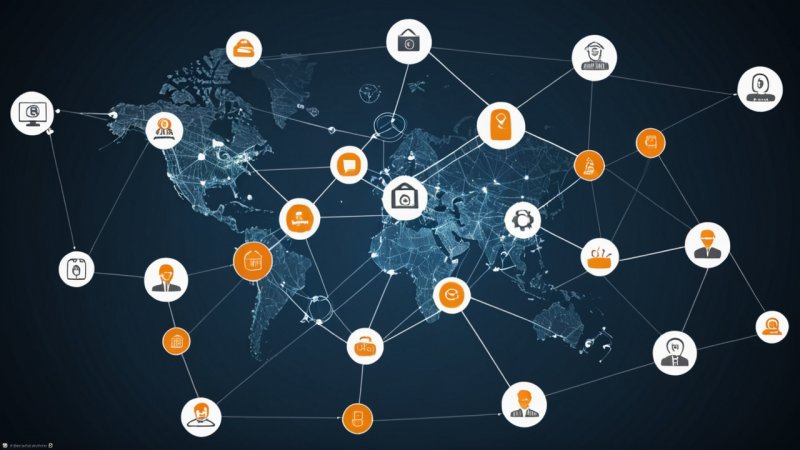
In today's interconnected world, the supply chain is a complex network that drives the global economy. However, with this complexity comes significant risks, particularly concerning data privacy. As businesses increasingly rely on digital technologies and data sharing to enhance efficiency and coordination, they become vulnerable to various data privacy threats. The implications of these threats extend beyond mere compliance; they can affect brand reputation, customer trust, and operational integrity. This article delves into the critical aspects of data privacy in the supply chain, exploring the associated risks and effective strategies for mitigation.
Understanding Data Privacy in the Supply Chain
Data privacy refers to the handling, processing, and protection of personal data to ensure that individuals' rights are respected. In the context of a supply chain, where multiple parties interact and exchange sensitive information, ensuring data privacy is paramount. This data can include customer information, financial records, proprietary information, and operational data. The challenge lies in managing this data across various stakeholders, each with their own systems and processes.
Key Risks to Data Privacy in the Supply Chain
Several risks threaten data privacy within supply chains. Understanding these can help organizations take proactive measures to safeguard their data.
- Third-Party Risks: When partnering with suppliers, distributors, or other third parties, businesses often share sensitive data. If these partners do not have robust data privacy practices, they can become weak links, exposing the primary organization to data breaches.
- Cybersecurity Threats: Cyberattacks such as phishing, malware, and ransomware target supply chain networks. Attackers may infiltrate systems to access sensitive data or disrupt operations.
- Regulatory Compliance: Different jurisdictions have distinct regulations regarding data privacy. Non-compliance can lead to hefty penalties and damage to reputation.
- Data Misuse: Employees with access to sensitive data may misuse it, either intentionally or inadvertently. This can occur through negligent handling, sharing with unauthorized parties, or failing to follow data protection protocols.
- Supply Chain Disruptions: Natural disasters, geopolitical tensions, or other disruptions can lead to data loss or exposure, particularly if organizations lack adequate contingency plans.
Mitigation Strategies for Data Privacy Risks
To effectively address the risks associated with data privacy in the supply chain, organizations should implement a comprehensive strategy that encompasses various aspects of data management and protection.
1. Conduct Risk Assessments
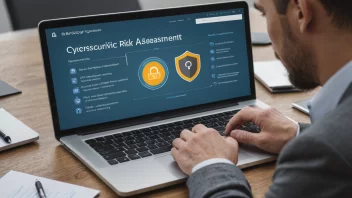
Regular risk assessments are crucial in identifying vulnerabilities within the supply chain. By evaluating potential risks associated with third-party partners, cybersecurity threats, and compliance issues, organizations can tailor their data privacy strategies accordingly.
2. Establish Strong Data Governance Policies
Organizations should develop and enforce data governance policies that outline how data is collected, processed, stored, and shared across the supply chain. This includes defining roles and responsibilities, access controls, and data retention policies.
3. Implement Robust Cybersecurity Measures
Investing in cybersecurity is essential for protecting sensitive data. This includes deploying firewalls, encryption, intrusion detection systems, and regularly updating software to mitigate vulnerabilities. Additionally, organizations should conduct training for employees to recognize and respond to cybersecurity threats.
4. Vet Third-Party Suppliers
Before engaging with third-party suppliers, organizations should conduct due diligence to assess their data privacy practices. This includes reviewing their compliance with relevant regulations, evaluating their cybersecurity measures, and ensuring they have a clear data handling policy.
5. Foster Transparency and Communication
Maintaining open communication with all stakeholders in the supply chain is vital. By fostering transparency regarding data practices, organizations can build trust and compliance among partners. Establishing clear communication channels also facilitates quick responses to data privacy incidents.
6. Train Employees on Data Privacy
Employees play a crucial role in maintaining data privacy. Regular training programs should be implemented to educate staff on best practices, regulatory requirements, and proper handling of sensitive information.
7. Monitor and Audit Supply Chain Practices
Continuous monitoring and auditing of supply chain practices can help organizations identify any deviations from established data privacy policies. Regular audits ensure compliance and allow for timely corrective actions.
Case Studies: Successful Data Privacy Implementation
Examining real-world examples can provide valuable insights into effective data privacy strategies in the supply chain.
Case Study 1: A Global Retailer
A leading global retailer faced challenges in managing personal customer data across its extensive supply chain. By implementing stringent data governance policies and conducting regular audits, the retailer successfully minimized data breaches and ensured compliance with various data protection regulations. Their proactive approach to vetting suppliers for data privacy practices further enhanced their security posture.
Case Study 2: A Pharmaceutical Company
A pharmaceutical company encountered risks associated with data sharing with clinical trial partners. By establishing a centralized data management system with strong encryption and access controls, the company effectively safeguarded sensitive patient data while maintaining compliance with healthcare regulations. Regular training for employees on data privacy further bolstered their defense against potential data breaches.
Conclusion
Data privacy in the supply chain is a critical aspect of modern business operations. As organizations increasingly rely on interconnected networks for efficiency and collaboration, the need for robust data protection strategies becomes paramount. By understanding the risks and implementing comprehensive mitigation strategies, businesses can safeguard sensitive information, maintain compliance, and build trust with customers and partners. As the landscape of data privacy continues to evolve, ongoing vigilance and adaptation will be essential for organizations to navigate the complex challenges of data management in the supply chain.