The modern workplace has evolved significantly, with technology playing a pivotal role in shaping how organizations approach employee wellbeing. Two prominent strategies have emerged: cloud-based employee wellbeing programs and traditional wellbeing programs. This article aims to compare these two approaches, highlighting their advantages, disadvantages, and key differences, to help organizations make informed decisions about implementing the best wellbeing solutions for their employees.
Understanding Cloud-Based Employee Wellbeing Programs
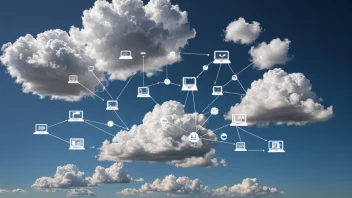
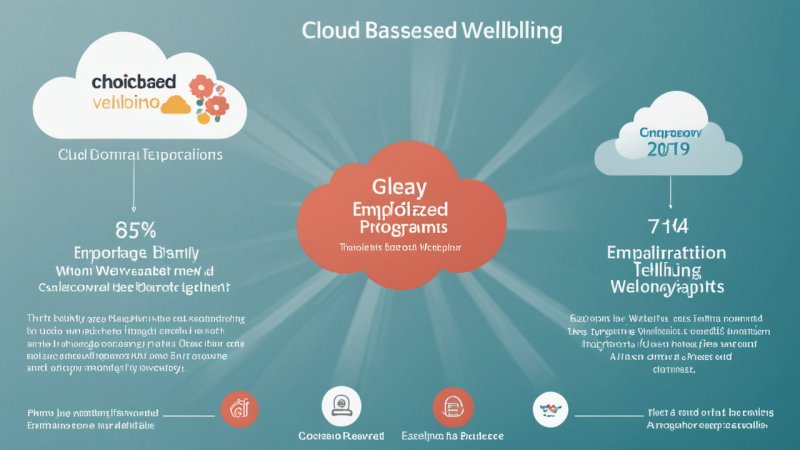
Cloud-based employee wellbeing programs leverage technology to provide resources and support to employees via the internet. These programs often include mental health resources, fitness apps, and wellness tracking systems that employees can access from anywhere, at any time. This flexibility is one of the key selling points of cloud-based solutions.
Advantages of Cloud-Based Programs
- Accessibility: Employees can access resources from any device, allowing for greater engagement and participation.
- Real-Time Data: Employers can track employee engagement and wellbeing metrics in real-time, enabling timely interventions.
- Cost-Effective: Often, cloud solutions reduce overhead costs associated with physical programs and materials.
- Customization: Many cloud-based platforms allow for personalized programs based on individual employee needs.
Disadvantages of Cloud-Based Programs
- Dependency on Technology: Employees with limited tech skills may struggle to navigate these platforms.
- Privacy Concerns: Handling sensitive data online raises concerns regarding data security and employee privacy.
- Overwhelming Choices: The abundance of apps and resources can overwhelm employees, leading to disengagement.
Understanding Traditional Wellbeing Programs
Traditional wellbeing programs largely rely on in-person initiatives, such as workshops, fitness classes, and counseling sessions. These programs focus on providing direct support and engagement through physical interactions and community building.
Advantages of Traditional Programs
- Personal Interaction: Face-to-face interactions foster stronger relationships and community among employees.
- Structured Environment: Physical programs often provide a more structured and guided approach to wellbeing.
- Immediate Feedback: Employees can receive instant feedback and support from facilitators during in-person sessions.
Disadvantages of Traditional Programs
- Limited Access: Employees with varying schedules may find it challenging to participate.
- Higher Costs: Maintaining physical spaces and organizing events can be more expensive than cloud-based solutions.
- Scalability Issues: Scaling traditional programs to accommodate a growing workforce can be cumbersome.
Key Differences Between Cloud-Based and Traditional Wellbeing Programs
Engagement and Participation
Cloud-based programs often see higher engagement rates due to their accessibility and convenience, allowing employees to participate at their own pace. In contrast, traditional programs may struggle to engage employees who cannot attend scheduled sessions, leading to lower overall participation.
Cost Implications
While cloud-based programs tend to have lower upfront costs, traditional programs can incur significant expenses related to venue hire, materials, and staff. However, traditional programs may yield a higher return on investment through direct, personal engagement.
Data and Feedback
Cloud-based solutions excel in providing data analytics, allowing employers to track trends and adjust programs quickly. Traditional programs rely heavily on manual feedback mechanisms, which can be less efficient and slower to implement changes.
Security and Privacy
Cloud-based programs face challenges related to data privacy and cyber security, as sensitive employee information is stored online. Traditional programs, while not immune to privacy concerns, often handle less digital data, resulting in fewer risks associated with online breaches.
Case Studies: Successful Implementations
Cloud-Based Program Case Study
A tech company implemented a cloud-based wellbeing program that included a mental health app and virtual fitness classes. Within six months, they saw a 40% increase in employee engagement with wellbeing resources and a 25% decrease in stress-related absenteeism.
Traditional Program Case Study
A healthcare organization adopted a traditional wellbeing program that involved monthly wellness workshops and fitness challenges. Participation rates soared, resulting in improved employee morale and a notable increase in overall job satisfaction, as reported in quarterly surveys.
Conclusion
In conclusion, both cloud-based and traditional employee wellbeing programs offer unique benefits and challenges. Cloud-based programs shine in accessibility, real-time data tracking, and cost-effectiveness, while traditional programs excel in personal interaction and community building. When choosing the right approach, organizations should consider their specific employee demographics, needs, and resources. Ultimately, a blended approach that incorporates elements of both strategies may provide the most comprehensive solution for enhancing employee wellbeing.