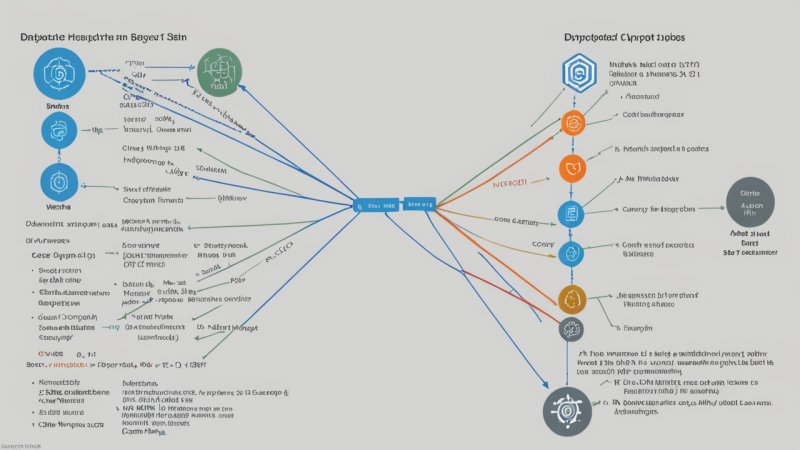
What is cryptographic hashing?
Cryptographic hashing is a process that transforms input data of any size into a fixed-size string of characters, which is typically a sequence of numbers and letters. The output, known as the hash value or digest, is unique to each unique input, making it a powerful tool for ensuring data integrity and security.
Why is hashing important for API authentication?
Hashing plays a critical role in API authentication by ensuring that sensitive data such as passwords and tokens are not stored or transmitted in plain text. Instead, they are hashed, providing an additional layer of security against unauthorized access and data breaches.
How does a hashing algorithm work?
A hashing algorithm takes an input (or 'message') and produces a fixed-length string of characters, which appears random. The algorithm is designed to be a one-way function, meaning that it is computationally infeasible to reverse the hashing process to retrieve the original input. Common hashing algorithms include SHA-256, SHA-512, and bcrypt.
What are some popular hashing algorithms used in API authentication?
- SHA-256: A widely used cryptographic hash function that produces a 256-bit hash value, commonly used in blockchain technology.
- bcrypt: A password hashing function that incorporates a salt to protect against rainbow table attacks, making it ideal for securely storing passwords.
- HMAC (Hash-based Message Authentication Code): Combines a cryptographic hash function with a secret cryptographic key, providing both data integrity and authenticity.
How can I implement hashing for API authentication?
To implement hashing for API authentication, follow these steps:
- Choose a secure hashing algorithm (e.g., bcrypt or SHA-256).
- Generate a unique salt for each user to prevent identical passwords from producing the same hash.
- Hash the password with the chosen algorithm and salt before storing it in your database.
- When a user attempts to log in, hash the provided password with the same salt and compare it to the stored hash.
What is the difference between hashing and encryption?
Hashing and encryption are both methods used to secure data, but they serve different purposes:
- Hashing: A one-way process used to verify data integrity. It is irreversible; once data is hashed, it cannot be retrieved.
- Encryption: A reversible process used to protect data confidentiality. Encrypted data can be decrypted back to its original form using a key.
What are some common use cases for hashing in API authentication?
Hashing is commonly used in various scenarios, including:
- Password storage: Hashing passwords before storing them in a database to protect against unauthorized access.
- Token generation: Generating unique tokens for sessions or API requests to authenticate users securely.
- Data integrity checks: Verifying that data has not been altered during transmission by comparing hash values.
Are there any limitations to using hashing for API authentication?
Yes, there are some limitations to consider:
- Hashing algorithms can become vulnerable over time as computational power increases, making it essential to use strong, updated algorithms.
- Improper implementation, such as using a weak algorithm or not salting passwords, can leave systems open to attacks.
What best practices should I follow when using hashing for API authentication?
To ensure secure API authentication, consider the following best practices:
- Always use a strong, up-to-date hashing algorithm.
- Implement salting to protect against rainbow table attacks.
- Use HMAC for message integrity and authenticity.
- Regularly review and update your security practices to address new vulnerabilities.
In conclusion, hashing is a crucial component of secure API authentication. By understanding how hashing works and implementing best practices, you can significantly enhance the security of your API and protect sensitive data from unauthorized access.