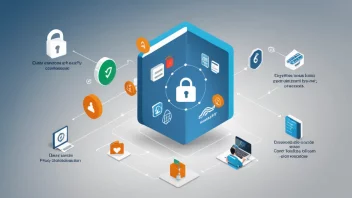
As the world moves towards urbanization, the need for innovative solutions to enhance city living becomes paramount. Blockchain technology, with its decentralized and secure nature, offers a transformative approach to managing urban environments. By integrating blockchain into smart city initiatives, municipalities can improve efficiency, enhance transparency, and foster community engagement. This article explores the various ways blockchain can revolutionize smart cities, detailing its potential applications and benefits.
1. Enhanced Data Security
In a smart city, vast amounts of data are generated from various sources like IoT devices, traffic systems, and public services. Blockchain provides an immutable ledger that secures this data against tampering. By using cryptographic hashing algorithms, data integrity is maintained, ensuring that any changes to the information can be tracked and verified. Additionally, the decentralized nature of blockchain reduces the risk of data breaches, as there is no central point of failure.
2. Streamlined Public Services
Blockchain technology can streamline the delivery of public services, making them more efficient and user-friendly. For instance, using blockchain for identity verification can simplify processes such as voter registration and permit applications. Smart contracts can automate service agreements, ensuring that actions are executed only when predefined conditions are met. This not only saves time but also reduces bureaucracy, allowing citizens to access services with greater ease.
3. Improved Transportation Systems
Smart cities rely heavily on efficient transportation systems. Blockchain can enhance these systems by providing real-time data sharing among different transportation modes, from public transit to ridesharing. By integrating blockchain, cities can create a more transparent and efficient traffic management system. This can lead to reduced congestion, better route optimization, and improved overall urban mobility. Additionally, blockchain can facilitate secure payments for transportation services, enhancing user experience.
4. Energy Management and Sustainability
Blockchain technology can play a pivotal role in energy management within smart cities. Decentralized energy grids, powered by blockchain, allow for peer-to-peer energy trading, enabling residents to buy and sell excess energy generated from renewable sources. This promotes sustainability and reduces reliance on traditional energy suppliers. Furthermore, blockchain can enhance the tracking of energy usage, encouraging citizens to adopt more sustainable practices through transparent reporting.
5. Citizen Engagement and Governance
Blockchain fosters transparency and accountability in governance, which can enhance citizen engagement. By utilizing blockchain for public records, citizens can have access to verified information about city operations, budgets, and project statuses. This transparency can build trust between citizens and government officials. Moreover, blockchain can facilitate secure voting mechanisms, allowing for more direct participation in local governance and decision-making processes.
In conclusion, the integration of blockchain technology into smart cities presents a multitude of opportunities to improve urban living. From enhancing data security and streamlining public services to optimizing transportation systems and promoting sustainable energy practices, the potential applications are vast. As cities continue to evolve into smarter, more connected environments, adopting blockchain technology will be crucial in creating efficient, transparent, and engaged urban communities.