In an age where misinformation spreads like wildfire, the need for trustworthy news sources has never been more critical. Traditional methods of verifying the authenticity of information are proving inadequate against the rapid rise of fake news. Blockchain technology, with its inherent security features, decentralization, and transparency, offers a promising solution to combatting misinformation. In this article, we explore various ways blockchain can enhance the integrity of information dissemination, making it harder for false narratives to take root and flourish.
1. Decentralized Verification of Information
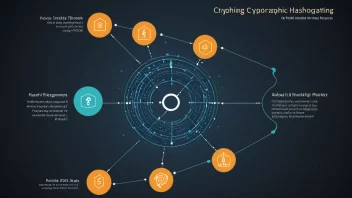
One of the core advantages of blockchain technology is its decentralized nature. This means that no single entity has control over the entire network, which minimizes the risk of data manipulation. By utilizing blockchain, news organizations can create a decentralized verification system where information is validated by multiple sources before it gets published. This system can employ smart contracts to automate the verification process, ensuring that only verified news stories are disseminated.
2. Immutable Records of News Articles
Blockchain provides an immutable ledger that records every transaction permanently. When a news article is published, its details can be recorded on the blockchain, including the author, timestamp, and source. This creates a permanent record that can be referenced later to confirm the authenticity of the article. In case of disputes regarding the authenticity, stakeholders can easily verify the original source and publication date, reducing the chances of spreading false information.
3. Crowdsourced Fact-Checking
Blockchain technology facilitates the creation of platforms where users can contribute to fact-checking efforts. By leveraging a decentralized network, individuals can submit claims that require verification, and other users can vote on their accuracy. Smart contracts can reward users who accurately validate information, thus incentivizing participation. This crowdsourced approach not only democratizes the fact-checking process but also enhances the reliability of news sources.
4. Enhancing Transparency in News Reporting
Transparency is vital in the fight against fake news. Blockchain can help ensure that all stakeholders involved in the news supply chain, from journalists to editors to distributors, are accountable for their contributions. By logging each step of the news production process on the blockchain, consumers can track the origin of the information and assess its credibility. This level of transparency could significantly reduce the likelihood of misinformation being published in the first place.
5. Protection of Journalistic Integrity
Journalists often face immense pressure to produce stories quickly, which can sometimes lead to compromised integrity. Blockchain technology can help protect journalists by allowing them to securely publish their work and receive compensation without the risk of censorship or manipulation. By utilizing blockchain, journalists can retain control over their content and ensure it reaches the audience without alterations. This security can empower journalists to investigate and report on sensitive topics, knowing their work is safely archived on an immutable ledger.
In conclusion, the integration of blockchain technology into news reporting and verification processes has the potential to significantly combat the spread of fake news and misinformation. By leveraging decentralized verification systems, immutable records, crowdsourced fact-checking, enhanced transparency, and protection for journalistic integrity, we can create a more reliable information ecosystem. As society grapples with the implications of misinformation, embracing innovative solutions like blockchain could pave the way for a more informed public.