In an era where digital content is increasingly accessible, the challenge of protecting intellectual property rights has become more pressing than ever. With music, art, literature, and software available at the click of a button, copyright infringement has reached unprecedented levels. As a response to these challenges, blockchain technology has emerged as a revolutionary tool for enhancing digital copyright enforcement. By providing a decentralized, transparent, and immutable record of ownership, blockchain offers a robust framework for artists, creators, and industries to secure their rights and ensure fair compensation for their work. This article will explore the mechanisms through which blockchain enhances copyright enforcement, its practical applications, and the potential future of digital rights management in the context of blockchain.
Understanding Blockchain Technology
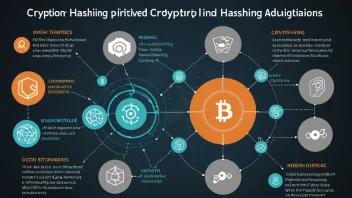
At its core, blockchain is a distributed ledger technology that allows data to be stored across a network of computers, ensuring that each transaction is recorded in a secure and tamper-proof manner. Each block in the chain contains a list of transactions, a timestamp, and a unique cryptographic hash of the previous block, which links them together. This structure creates a chain of blocks that cannot be altered retroactively without the consensus of the network, making it an ideal solution for securing ownership and rights in the digital realm.
The Need for Enhanced Copyright Enforcement
Copyright infringement in the digital age takes many forms, from unauthorized downloads and streaming to the use of content without proper licensing. Traditional copyright enforcement mechanisms, such as legal action and Digital Rights Management (DRM), have proven to be inefficient and often ineffective. Legal processes can be lengthy and costly, while DRM can be cumbersome for consumers and may not adequately protect creators' rights. As a result, there is a growing demand for innovative solutions that leverage technology to provide better protection for intellectual property.
How Blockchain Enhances Copyright Enforcement
Blockchain enhances copyright enforcement in several significant ways:
- Transparency: The immutable nature of blockchain allows all transactions and ownership changes to be recorded transparently. This transparency helps in establishing clear ownership rights and can be used as evidence in case of disputes.
- Decentralization: By removing the need for a central authority, blockchain empowers creators to maintain control over their work. This decentralized approach reduces the risk of manipulation or unauthorized access by third parties.
- Smart Contracts: Smart contracts are self-executing contracts with the terms of the agreement directly written into code. These can automate licensing agreements and royalty payments, ensuring that creators are compensated fairly and promptly whenever their work is used.
- Proof of Ownership: Blockchain can provide a verifiable proof of ownership for digital assets. Artists can register their work on the blockchain, creating a permanent record that can serve as legal evidence of their rights.
Practical Applications of Blockchain in Copyright Enforcement
Several platforms and initiatives are already utilizing blockchain technology to enhance copyright enforcement:
1. Music and Art Platforms
Platforms like Audius and Ujo Music allow musicians to publish their work on the blockchain, where listeners can access it directly. By using smart contracts, these platforms ensure that artists receive a fair share of revenue without intermediaries taking a cut. Similarly, platforms like Myco allow visual artists to tokenize their artwork, providing proof of ownership and enabling them to sell fractions of their work while retaining control.
2. Copyright Registration Services
Services such as Ascribe and Codex Protocol offer creators the ability to register their works on the blockchain. This process generates a unique digital fingerprint of the work, establishing a permanent record that can be referenced in legal disputes. This not only protects the creators but also enhances the overall integrity of the copyright system.
3. NFT Marketplaces
Non-fungible tokens (NFTs) have gained immense popularity as a way to represent ownership of digital assets on the blockchain. Creators can mint NFTs for their digital art, music, or any other creative work, allowing them to sell it directly to consumers while retaining the rights to their intellectual property. The blockchain records every transaction, ensuring that the creator receives royalties from future sales.
Challenges and Considerations
While blockchain offers significant advantages for copyright enforcement, it is not without its challenges. One major concern is the legal recognition of blockchain records in various jurisdictions, as laws surrounding copyright can vary widely. Additionally, the ease of creating and trading digital assets can lead to potential copyright infringement if appropriate measures are not taken. Furthermore, the technical complexity of blockchain can be a barrier for some creators, particularly those who may not be tech-savvy.
The Future of Digital Copyright Enforcement
As blockchain technology continues to evolve, its potential applications in copyright enforcement will likely expand. With ongoing advancements in smart contracts, interoperability between blockchain networks, and user-friendly platforms, the future holds promising possibilities for creators seeking to protect their work. Furthermore, as more industries adopt blockchain solutions, collaboration between stakeholders in the creative sectors will be essential in establishing standardized practices for copyright enforcement.
In conclusion, the integration of blockchain technology into digital copyright enforcement represents a transformative step towards securing the rights of creators in an increasingly digital world. By providing a transparent, decentralized, and automated framework for ownership verification and royalty distribution, blockchain empowers artists and content creators to protect their intellectual property effectively. As the landscape of digital content continues to evolve, embracing blockchain technology may very well be the key to ensuring that creativity is rewarded and respected.