Introduction
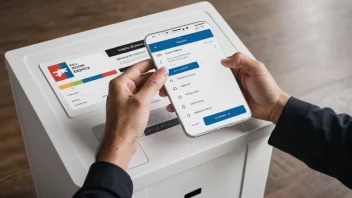
In today's digital age, ensuring the integrity and security of voting systems is paramount. With the rise of cyber threats and election manipulation, blockchain technology offers a promising solution to these challenges. In this article, you will learn how to implement blockchain to secure voting systems, ensuring transparency, traceability, and tamper-resistance.
Step 1: Understand Blockchain Basics
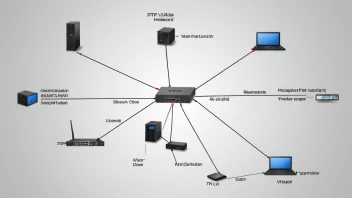
Before diving into the implementation, it’s essential to grasp the fundamentals of blockchain technology. A blockchain is a decentralized ledger that records transactions across many computers. This means that once a vote is recorded, it cannot be altered without the consensus of the network.
- Decentralization: Eliminates single points of failure.
- Immutability: Once data is written, it cannot be changed.
- Transparency: All transactions are visible to all participants.
Step 2: Choose the Right Blockchain Platform
There are several blockchain platforms available, each with unique features. When selecting a platform for a voting system, consider factors like scalability, security, and ease of integration.
- Ethereum: Offers smart contracts and a large developer community.
- Hyperledger Fabric: Designed for enterprise solutions with modular architecture.
- EOS: Provides high transaction speed and scalability.
Step 3: Design the Voting Process
Designing the voting process is crucial for ensuring a fair and transparent election. Consider the following elements:
- Voter Registration: Implement a secure method for voters to register, possibly using digital identity verification.
- Voting Mechanism: Decide whether voting will be anonymous or linked to voter identities.
- Vote Casting: Develop a user-friendly interface for casting votes, ensuring accessibility for all voters.
Step 4: Implement Smart Contracts
Smart contracts are self-executing contracts with the terms of the agreement directly written into code. They automate the voting process and ensure that all rules are followed. Here’s how to implement them:
pragma solidity ^0.8.0;

contract Voting {
    struct Candidate {
        uint id;
        string name;
        uint voteCount;
    }

    mapping(uint => Candidate) public candidates;
    mapping(address => bool) public voters;
    uint public candidatesCount;

    constructor() {
        addCandidate("Alice");
        addCandidate("Bob");
    }

    function addCandidate(string memory _name) private {
        candidatesCount++;
        candidates[candidatesCount] = Candidate(candidatesCount, _name, 0);
    }

    function vote(uint _candidateId) public {
        require(!voters[msg.sender], "You have already voted.");
        require(_candidateId > 0 && _candidateId <= candidatesCount, "Invalid candidate ID.");

        voters[msg.sender] = true;
        candidates[_candidateId].voteCount++;
    }
}
Step 5: Test the System
Testing is a critical step in ensuring the reliability of the voting system. Conduct thorough testing in a controlled environment to identify and resolve any issues. Perform the following tests:
- Unit Testing: Test individual components of the system.
- Integration Testing: Ensure that different parts of the system work together seamlessly.
- User Acceptance Testing: Have real users test the system to gather feedback.
Step 6: Launch the Voting System
Once testing is complete, it’s time to launch the voting system. Ensure that:
- Voter education is prioritized to ensure a smooth voting process.
- Support channels are available to assist voters.
- Security measures are in place to monitor for any potential threats during the election.
Step 7: Audit and Review
After the election, conduct an audit of the voting process. This includes:
- Reviewing Smart Contracts: Ensure they executed correctly and as intended.
- Analyzing Voting Data: Check for any anomalies or irregularities.
- Gathering Feedback: Collect feedback from voters and stakeholders to improve future elections.
Summary
In this guide, we explored how to secure voting systems using blockchain technology. By understanding blockchain basics, choosing the right platform, designing a comprehensive voting process, implementing smart contracts, testing the system, launching it effectively, and conducting audits, you can create a secure and transparent voting environment. As technology continues to evolve, embracing these innovations can significantly enhance the integrity of democratic processes.
Final Advice: Always stay updated with the latest developments in blockchain technology and cybersecurity to continuously improve your voting system.