The intersection of blockchain technology and supply chain management has emerged as a transformative force in the world of commerce. As businesses grapple with inefficiencies, lack of transparency, and the ever-growing demand for accountability, blockchain offers a novel approach to streamline operations and enhance trust among stakeholders. With its decentralized nature, immutable records, and cryptographic security, blockchain provides a robust framework to reimagine traditional supply chain models. This article delves into the impact of blockchain on supply chains, exploring its applications, benefits, challenges, and future potential.
Understanding Blockchain Technology
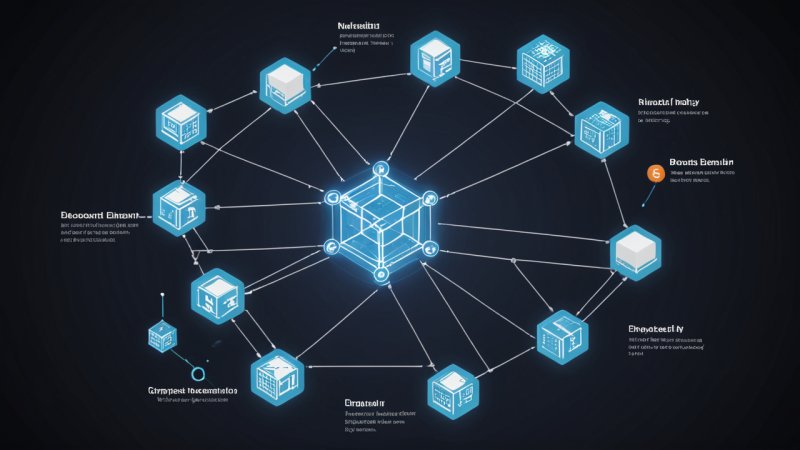
At its core, blockchain is a distributed ledger technology that enables secure and transparent data exchanges among multiple parties without the need for intermediaries. Each transaction is recorded in a block, which is subsequently linked to the previous block, forming a chain of chronological records. This structure ensures that once data is entered, it cannot be altered retroactively, providing an immutable history of transactions.
Key Features of Blockchain
- Decentralization: Unlike traditional databases managed by a single entity, blockchain operates on a peer-to-peer network, distributing control among all participants.
- Transparency: All transactions are visible to authorized participants, fostering trust and accountability.
- Security: Cryptographic techniques safeguard data integrity and prevent unauthorized access.
- Smart Contracts: Self-executing contracts with predefined conditions can automate and enforce agreements, reducing the need for manual intervention.
The Role of Blockchain in Supply Chain Management
Supply chains are complex networks involving multiple stakeholders, including manufacturers, suppliers, distributors, and retailers. Blockchain can address various challenges in these systems, such as lack of traceability, inefficiencies, and fraud. Here are some of the key applications:
Enhanced Traceability
One of the most significant advantages of blockchain is its ability to provide end-to-end visibility in supply chains. Each product can be tagged with a unique identifier, allowing stakeholders to track its journey from production to delivery. For instance, in the food industry, blockchain can trace the origin of products, helping to identify sources of contamination during recalls and ensuring compliance with safety regulations.
Increased Efficiency
Traditional supply chains often rely on paperwork and manual processes, leading to delays and errors. Blockchain simplifies these processes by digitizing transactions and automating them through smart contracts. For example, a shipping company could use blockchain to automatically release payment to a supplier once goods are delivered, streamlining operations and reducing administrative costs.
Fraud Prevention
With fraud being a persistent issue in supply chains, blockchain's transparent nature helps mitigate risks. Each transaction is logged and can be verified by all participants, making it challenging for fraudulent activities to go unnoticed. The diamond industry, for instance, has adopted blockchain to ensure the authenticity of diamonds, preventing the sale of conflict diamonds.
Case Studies: Success Stories of Blockchain in Supply Chains
Several companies have successfully integrated blockchain into their supply chain operations, showcasing its potential to revolutionize traditional models.
Walmart and Food Safety
Walmart has implemented a blockchain-based system to track food products' origins. By scanning product barcodes, the company can trace the supply chain of a product in seconds instead of days. This initiative enhances food safety, allowing for swift action during foodborne illness outbreaks.
IBM and Maersk
IBM and Maersk partnered to create TradeLens, a blockchain platform designed to enhance transparency and efficiency in global shipping. By connecting various stakeholders on a single platform, TradeLens allows for real-time tracking of containers, improving shipment visibility and reducing delays and costs.
Challenges and Limitations of Blockchain in Supply Chains
Despite its potential, the adoption of blockchain in supply chains is not without challenges. Key limitations include:
Scalability Issues
As the number of transactions increases, maintaining the speed and efficiency of blockchain networks can become challenging. Solutions are being developed, but scalability remains a concern for large-scale implementations.
Integration with Legacy Systems
Many organizations operate on legacy systems that may not easily integrate with blockchain technology. Transitioning to a blockchain-based model often requires significant investments in technology and training.
Regulatory and Compliance Hurdles
As blockchain technology evolves, regulatory frameworks are still catching up. Ensuring compliance with local and international regulations can pose challenges for businesses looking to adopt blockchain.
Future Prospects of Blockchain in Supply Chains
Looking ahead, the potential for blockchain in supply chain management is vast. As technology continues to advance, we may see increased adoption across various industries, driven by the need for greater efficiency, transparency, and security. Collaborative platforms that bring together multiple stakeholders can create a more cohesive and streamlined supply chain ecosystem.
Furthermore, innovations such as interoperability between different blockchain networks and the integration of artificial intelligence (AI) can enhance the capabilities of blockchain in supply chains, enabling predictive analytics and optimized operations.
As businesses recognize the importance of sustainability and ethical sourcing, blockchain can play a pivotal role in tracking and verifying sustainable practices throughout the supply chain, contributing to corporate social responsibility goals.
Conclusion
In conclusion, blockchain technology holds the potential to transform traditional supply chain models by enhancing traceability, increasing efficiency, and preventing fraud. While challenges exist, the success stories of companies like Walmart and IBM illustrate the significant benefits of adopting blockchain in supply chains. As the technology matures, we can expect to see broader implementation across various industries, driving innovation and fostering a more transparent and accountable global economy.