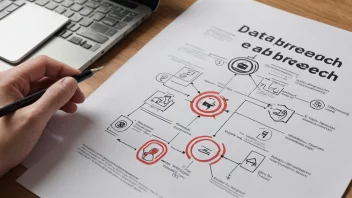
In today's digital landscape, ensuring the privacy of customer data is paramount for businesses utilizing Customer Relationship Management (CRM) systems. As organizations increasingly rely on CRM tools to manage interactions with clients, the importance of protecting sensitive information has never been more critical. This article outlines five essential strategies that can significantly enhance data privacy within your CRM, fostering trust and maintaining compliance with regulations.
Implement Strong Access Controls
One of the cornerstones of data privacy is controlling who has access to sensitive information. Implementing robust access controls ensures that only authorized personnel can view or manipulate customer data. This can be achieved through:
- User Roles: Define specific roles within your CRM that align with job responsibilities, allowing access to only the necessary data.
- Multi-Factor Authentication: Require additional verification methods beyond just a password to secure access to the CRM.
- Regular Audits: Conduct periodic reviews of user access levels to ensure compliance with updated policies and to revoke access as needed.
Encrypt Sensitive Data
Data encryption is an effective way to protect customer information both at rest and in transit. By converting data into a coded format, you can ensure that even if unauthorized individuals gain access, they cannot read or misuse the information. Consider the following:
- Database Encryption: Implement encryption for data stored in your CRM database to protect against breaches.
- Transmission Security: Use protocols like HTTPS to encrypt data during transmission between your CRM and users.
- End-to-End Encryption: Explore solutions that provide end-to-end encryption for communications involving customer data.
Regularly Update Your CRM Software
Keeping your CRM software up to date is crucial for maintaining data privacy. Software updates often include security patches that fix vulnerabilities that could be exploited by attackers. To stay protected:
- Automatic Updates: Enable automatic updates if available, so your system is always equipped with the latest security features.
- Vendor Support: Work with CRM vendors that offer regular updates and support to address security concerns promptly.
- Testing Updates: Before applying significant updates, test them in a controlled environment to prevent disruptions.
Train Employees on Data Privacy Policies
Human error is a leading cause of data breaches. To mitigate this risk, it is essential to train employees on your organization's data privacy policies and best practices. Key training components include:
- Understanding Policies: Ensure all employees are aware of data privacy laws and company policies regarding customer data.
- Phishing Awareness: Educate employees on recognizing phishing attempts and the importance of reporting suspicious activities.
- Data Handling Procedures: Provide clear guidelines on how to handle, store, and dispose of customer data securely.
Utilize Data Anonymization Techniques
Data anonymization helps in protecting customer identities while still allowing for data analysis. By removing personally identifiable information, organizations can use customer data for insights without compromising privacy. Consider the following methods:
- Data Masking: Replace sensitive information with fictitious but realistic data to conduct analyses.
- Aggregation: Use aggregated data to analyze trends without exposing individual customer details.
- Pseudonymization: Replace private identifiers with artificial identifiers to protect individual identities during analysis.
In conclusion, enhancing data privacy in your CRM system is not merely a compliance issue; it is a crucial aspect of building trust with your customers. By implementing strong access controls, utilizing encryption, keeping software updated, training employees, and employing data anonymization techniques, businesses can significantly bolster their data privacy posture. Taking these steps not only protects sensitive information but also reinforces your commitment to customer trust and data integrity.