As remote work continues to rise in popularity, the importance of digital forensics in examining remote work tools becomes increasingly critical. Digital forensics involves the recovery and investigation of material found in digital devices, and when it comes to remote work, the challenges and complexities multiply significantly.
Remote work tools, such as video conferencing applications, project management software, and cloud storage services, are being used daily by millions. However, these tools also create potential vulnerabilities for businesses and individuals alike. Digital forensics can play a crucial role in ensuring data integrity and security in this evolving work environment.
One of the key aspects of digital forensics in remote work is the analysis of communication platforms. Video conferencing tools like Zoom or Microsoft Teams store a wealth of information, from meeting recordings to chat logs. Forensic experts can examine these records to uncover valuable insights in case of disputes or security breaches. Such analysis may include looking for unauthorized access, verifying the identity of participants, and ensuring that sensitive information has not been compromised.
Another area of focus is collaboration tools like Slack or Trello, where teams coordinate projects and share files. Forensic examination can help identify any inappropriate sharing of sensitive data or unauthorized access to private channels. By analyzing access logs and file histories, forensic experts can trace the flow of information and determine where breaches may have occurred.
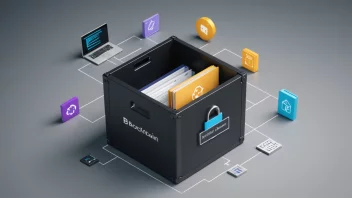
Cloud storage services, such as Google Drive or Dropbox, are also frequent targets for forensic investigations. These platforms often contain critical business data, and understanding how data is uploaded, modified, or deleted can provide vital evidence in case of data loss or theft. Forensic analysts can recover deleted files and assess user activities to create a timeline of events that led to a security incident.
Furthermore, the examination of remote work tools must also consider the devices used by employees. Laptops, smartphones, and tablets frequently access corporate resources and store sensitive information. Digital forensic techniques can reveal malware infections, unauthorized applications, or any signs of tampering that could jeopardize data security.
Case studies of digital forensic investigations in the remote work domain highlight the significance of having robust policies and procedures in place. Organizations that prioritize digital forensics as part of their cybersecurity strategy can respond more effectively to incidents and ensure compliance with legal and regulatory requirements.
In conclusion, as remote work tools become an integral part of our professional lives, the role of digital forensics is paramount in maintaining data integrity and security. By understanding the intricacies of these tools and implementing effective forensic practices, businesses can better protect themselves against potential threats and foster a secure remote work environment.