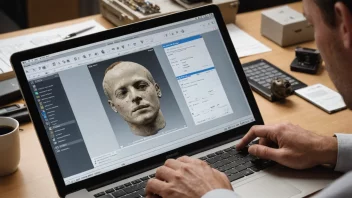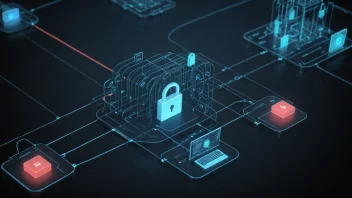
In the rapidly evolving world of digital forensics, whistleblowing has emerged as a vital mechanism for exposing unethical practices and safeguarding public interest. Digital whistleblowing leverages technology to report wrongdoing while maintaining the anonymity and safety of the informant. This article outlines the top recommendations for effectively handling digital whistleblowing cases within the realm of digital forensics.
1. Establish Clear Reporting Channels
Creating well-defined channels for reporting whistleblowing cases is crucial. These channels should include:
- Anonymous Reporting: Allow whistleblowers to submit reports without revealing their identities.
- Secure Platforms: Use encrypted platforms to prevent data breaches and ensure confidentiality.
2. Implement Robust Authentication Mechanisms
To protect the integrity of the whistleblowing process, strong authentication methods are essential. This includes:
- Multi-Factor Authentication (MFA): Adding layers of security by requiring multiple forms of verification.
- Biometric Verification: Using fingerprints or facial recognition for secure access to reporting tools.
3. Ensure Compliance with Legal Standards
Digital forensics teams must be well-versed in the legal aspects of whistleblowing. Key considerations include:
- Whistleblower Protection Laws: Familiarize yourself with local and international laws that protect whistleblowers from retaliation.
- Data Privacy Regulations: Ensure compliance with GDPR, CCPA, and other relevant regulations when handling personal data.
4. Leverage Technology for Evidence Collection
Employing advanced technology can streamline the collection of evidence in whistleblowing cases. Consider the following:
- Digital Forensic Tools: Utilize software designed for data recovery, analysis, and reporting of digital evidence.
- Blockchain Technology: Implement blockchain for immutable records of whistleblower submissions, enhancing trust and accountability.
5. Foster a Whistleblower-Friendly Culture
Encouraging a workplace culture that supports ethical reporting can significantly impact the success of whistleblowing initiatives. Strategies include:
- Training Programs: Regularly educate employees about the importance of whistleblowing and how to report concerns.
- Open Communication: Promote transparency and encourage discussions about ethical practices within the organization.
In summary, addressing digital whistleblowing in digital forensics requires a multifaceted approach that encompasses secure reporting channels, robust authentication, legal compliance, technology utilization, and a supportive culture. By implementing these recommendations, organizations can ensure that whistleblowers feel safe and empowered to report unethical behavior, ultimately fostering a more ethical environment.