Digital forensics plays an increasingly vital role in family law, particularly as technology becomes more integrated into our daily lives. In cases involving custody disputes, divorce settlements, and other family-related issues, the collection and analysis of digital evidence can provide critical insights. This article will compare traditional digital forensics techniques with modern approaches, examining their effectiveness, challenges, and applications in family law.
Understanding Digital Forensics
Digital forensics is the process of recovering and investigating material found in digital devices, often for use in legal proceedings. The primary goal is to preserve, analyze, and present digital evidence in a way that is legally admissible. As family law cases increasingly involve electronic communications, social media, and personal data stored on devices, the relevance of digital forensics has grown exponentially.
Traditional Digital Forensics Techniques
Traditional digital forensics methods primarily rely on established protocols and procedures that have been used for years. These techniques often involve:
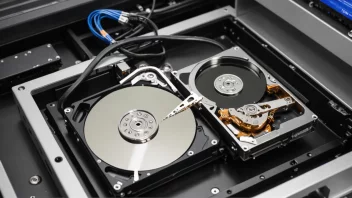
- Disk Imaging: Creating a bit-for-bit copy of a hard drive or storage device to preserve evidence while maintaining the integrity of the original data.
- File Recovery: Using software tools to recover deleted files or data that may be relevant to a case.
- Data Analysis: Examining recovered data, including emails, documents, and logs, to identify significant information.
- Chain of Custody: Maintaining a strict protocol for handling evidence to ensure its admissibility in court.
Pros of Traditional Techniques
Traditional digital forensics techniques have several advantages:
- Established Procedures: These techniques are well-documented and widely accepted in the legal community, making them reliable.
- Comprehensive Analysis: Traditional methods can provide a thorough examination of digital evidence, often uncovering information that may be overlooked.
- Legal Precedent: Courts are familiar with these techniques, which can facilitate smoother legal proceedings.
Cons of Traditional Techniques
However, traditional methods also have limitations:
- Time-Consuming: The process can be lengthy, delaying legal proceedings.
- Resource-Intensive: Traditional digital forensics often requires specialized personnel and tools, which may not be available in all cases.
- Static Analysis: Traditional techniques may not effectively address the rapid evolution of technology and the dynamic nature of digital evidence.
Modern Digital Forensics Techniques
With advancements in technology, modern digital forensics techniques have emerged. These approaches incorporate new tools and methodologies, focusing on:
- Cloud Forensics: Investigating data stored in cloud services, which requires different protocols due to shared environments.
- Mobile Forensics: Specializing in the extraction of data from mobile devices, including apps, texts, and location data.
- Social Media Analysis: Examining social media accounts for evidence of behavior, communications, and relationships.
- Real-Time Analysis: Utilizing live data monitoring and analysis to capture evidence as it occurs.
Pros of Modern Techniques
Modern digital forensics techniques offer several benefits:
- Adaptability: These methods can be tailored to the rapidly changing technology landscape, allowing for effective evidence gathering.
- Speed: Modern techniques often enable quicker analysis, which can be crucial in time-sensitive family law cases.
- Broader Scope: The ability to analyze a wide range of data sources, including cloud and mobile, provides a more comprehensive view of the situation.
Cons of Modern Techniques
Despite their advantages, modern techniques come with challenges:
- Legal Uncertainty: Courts may lack familiarity with new methods, leading to potential disputes over admissibility.
- Technical Complexity: The need for specialized knowledge can limit accessibility for some practitioners.
- Data Privacy Concerns: The analysis of personal data raises ethical and privacy issues that must be navigated carefully.
Case Study: Application in Custody Disputes
To illustrate the differences between traditional and modern digital forensics techniques, consider a hypothetical custody dispute case:
In a traditional approach, a forensic investigator might collect data from the parents' computers and phones, focusing on text messages, emails, and call logs. The evidence is meticulously documented and analyzed over several weeks, ultimately providing a detailed report to the court.
Conversely, in a modern approach, the investigator may utilize cloud forensics to access social media accounts and analyze communication patterns in real-time. The analysis might reveal changes in behavior or relationships that could impact custody decisions. This method can produce insights much faster, facilitating a more timely resolution to the dispute.
Conclusion
Both traditional and modern digital forensics techniques have their place in family law, each offering unique benefits and challenges. Traditional methods are reliable and well-understood, making them suitable for many cases. However, as technology continues to evolve, modern techniques provide innovative ways to collect and analyze digital evidence more efficiently. Ultimately, the choice between these approaches will depend on the specific circumstances of each case, the nature of the evidence involved, and the legal framework in which the case is being pursued. For family law professionals, understanding the strengths and weaknesses of both methods is essential for effectively leveraging digital forensics in their practice.