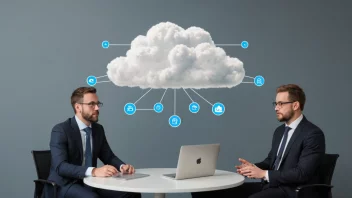
In the ever-evolving world of open source projects, effective communication stands as one of the pillars of success. Unlike traditional software development teams that often work in-house and maintain close physical proximity, open source teams are typically distributed across various geographical locations, cultures, and time zones. This diversity brings unique challenges and opportunities for collaboration, making it crucial for team members to hone their communication skills. In this article, we will explore various strategies that open source teams can adopt to enhance their communication, facilitate collaboration, and ultimately drive their projects toward successful outcomes.
Understanding the Communication Landscape
Effective communication in an open source environment is not only about the exchange of information but also about fostering an inclusive culture where every team member feels valued and heard. Given the nature of open source projects, where contributors may come from different backgrounds and levels of experience, it is essential to create channels for clear and effective dialogue. Here are some foundational aspects to consider:
- Asynchronous Communication: Due to different time zones, teams often rely on asynchronous communication methods such as emails, forums, or messaging apps. This allows team members to contribute and respond at their convenience, ensuring that everyone can participate actively.
- Documentation: Clear and accessible documentation is vital for maintaining a shared understanding among team members. Comprehensive project wikis, READMEs, and contribution guidelines can help onboard new contributors and set expectations.
- Active Listening: Team members should practice active listening to ensure they fully understand the perspectives and suggestions of others. This involves acknowledging contributions and asking clarifying questions.
Establishing Clear Communication Guidelines
To foster a productive communication environment, open source teams should establish clear communication guidelines. These guidelines should cover various aspects, including:
- Preferred Communication Channels: Identify which platforms (e.g., Slack, Discord, GitHub issues) will be used for different types of discussions, such as general announcements, technical discussions, or project updates.
- Response Expectations: Set expectations regarding response times for different channels. For example, urgent issues discussed on chat platforms may require immediate attention, while discussions on GitHub issues might follow a more relaxed timeline.
- Code of Conduct: A well-defined code of conduct can help to promote a respectful and inclusive atmosphere, discouraging any form of harassment or discrimination.
Leveraging Technology for Better Collaboration
Open source teams can utilize various tools to enhance communication and collaboration. The right technology can bridge gaps and facilitate smoother interactions. Some recommended tools include:
- Version Control Systems (VCS): Tools like Git are essential for managing code contributions. Using platforms like GitHub or GitLab allows for effective tracking of changes and collaborative coding.
- Project Management Tools: Tools such as Trello, Asana, or Jira can help manage tasks, track progress, and assign responsibilities. These tools provide visibility into the project's status and help maintain accountability among team members.
- Video Conferencing: Regular video calls can enhance team bonding and provide a platform for real-time discussions. Tools like Zoom or Google Meet can help facilitate meetings, brainstorming sessions, and decision-making processes.
Encouraging Inclusivity and Participation
Inclusivity is paramount in open source projects, where diverse voices contribute to innovation and creativity. Encouraging participation can be achieved by:
- Mentorship Programs: Pairing experienced contributors with newcomers can help onboard new members effectively and provide them with the support they need to contribute confidently.
- Regular Feedback Loops: Establishing mechanisms for feedback, such as regular check-ins or retrospectives, can help teams identify areas for improvement and celebrate successes.
- Welcoming Contributions: Actively inviting contributions from all team members, regardless of their experience level, fosters a sense of ownership and motivates individuals to engage in discussions and development.
Case Studies: Successful Open Source Communication Strategies
Examining real-world examples can provide valuable insights into effective communication strategies in open source teams. For instance, the Linux kernel community has thrived due to its well-defined communication norms, including a strong emphasis on mailing lists and clear contribution guidelines. Contributors are encouraged to submit patches with detailed explanations and to provide constructive feedback on others’ work. This structured approach has cultivated a culture of respect and excellence.
Another example is the Mozilla community, which utilizes a combination of chat platforms, forums, and detailed documentation to support its diverse contributors. Mozilla has implemented a mentorship program that helps new contributors navigate the project landscape, ensuring they feel welcomed and supported.
Conclusion
Effective communication strategies are essential for the success of open source teams. By understanding the unique challenges they face, establishing clear guidelines, leveraging technology, and fostering inclusivity, teams can enhance their collaboration and drive their projects forward. As open source continues to evolve, prioritizing communication will remain a critical factor in building strong, innovative, and diverse communities that contribute to the advancement of technology.