The rollout of 5G technology is one of the most anticipated advancements in telecommunications, promising unprecedented speeds and connectivity. However, along with these benefits, it also brings new challenges, particularly in cybersecurity. The enhanced capabilities of 5G networks create a larger attack surface for cybercriminals, making it essential to reevaluate existing cybersecurity protocols. This article delves into how 5G technology impacts cybersecurity measures, highlighting its potential vulnerabilities, the need for updated security frameworks, and the implications for individuals and organizations alike.
Understanding 5G Technology
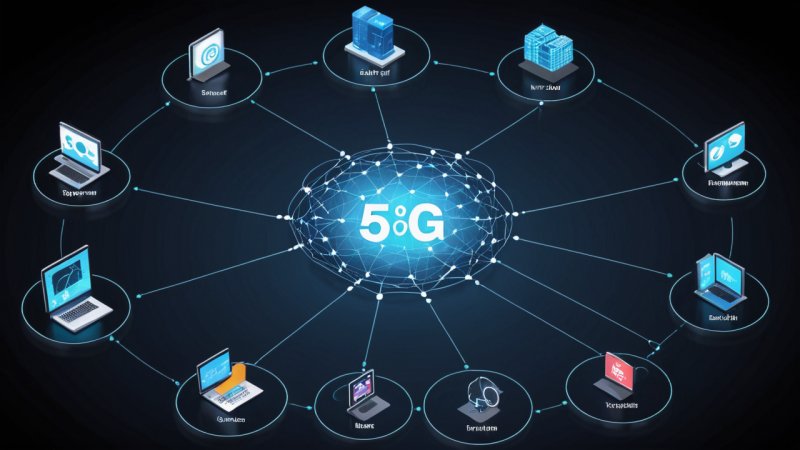
5G, or fifth generation technology, represents a significant leap from its predecessor, 4G. With its ability to support higher data rates, lower latency, and a greater number of connected devices, 5G is poised to transform various sectors, including healthcare, transportation, and manufacturing. However, this vast connectivity also means that the potential for cyber threats increases exponentially. As more devices connect to the internet, the number of potential entry points for attacks also rises.
Vulnerabilities Introduced by 5G
As 5G networks are deployed, several vulnerabilities emerge that could be exploited by cybercriminals. Notably, the following areas are of concern:
- Increased Attack Surface: The proliferation of Internet of Things (IoT) devices connected to 5G networks creates numerous entry points for attackers. Each IoT device can potentially serve as a gateway for unauthorized access.
- Network Slicing: 5G allows for network slicing, which means different virtual networks can be created on the same physical infrastructure. While this offers flexibility, it also raises security concerns, as vulnerabilities in one slice could affect others.
- Edge Computing: With 5G, processing data closer to where it is generated (edge computing) becomes common. This decentralization can lead to security gaps if devices at the edge are not adequately secured.
Reevaluating Cybersecurity Protocols
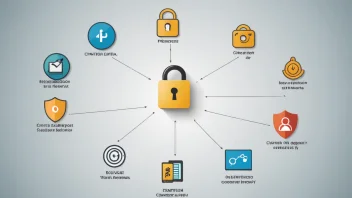
Given the unique challenges posed by 5G, organizations must reassess their cybersecurity strategies. Traditional security protocols may not be sufficient in a highly interconnected environment. Here are some key considerations:
- Zero Trust Architecture: Implementing a Zero Trust model, where no device or user is trusted by default, can help mitigate risks. Every access request should be authenticated and authorized, regardless of whether it originates from inside or outside the network.
- Enhanced Encryption: Strong encryption methods must be employed for data in transit and at rest. This ensures that even if data is intercepted, it remains secure and unreadable.
- Regular Security Audits: Continuous monitoring and regular audits of network security can help identify vulnerabilities before they are exploited.
- Collaboration with Telecom Providers: Organizations should work closely with telecommunications providers to understand the security features of 5G networks and ensure that they are utilizing them effectively.
Case Studies Highlighting 5G Security Challenges
Several real-world scenarios illustrate the challenges of securing 5G networks. In one case, a smart city initiative implemented a 5G-powered traffic management system. While the system improved traffic flow, it also became a target for hackers who exploited vulnerabilities in the connected devices, leading to widespread disruptions.
Another example is the healthcare sector, where hospitals are increasingly using 5G-connected devices for patient monitoring. A breach in these systems could expose sensitive patient data or even jeopardize patient safety. In response, healthcare organizations are adopting stricter cybersecurity measures and investing in employee training to recognize and prevent potential threats.
The Future of Cybersecurity with 5G
As 5G technology continues to evolve, so too will the landscape of cybersecurity. Organizations must remain vigilant and proactive in their approach to security. This includes keeping abreast of emerging threats and continuously adapting security practices to meet the demands of a fast-paced technological environment.
Additionally, regulatory bodies may need to establish new standards and guidelines specific to 5G security. Collaboration between industry leaders, cybersecurity experts, and government entities will be crucial in developing comprehensive strategies to protect against the unique threats posed by 5G.
Conclusion
The impact of 5G on cybersecurity protocols is profound and multifaceted. While 5G technology offers incredible potential for innovation and connectivity, it also introduces significant challenges that must be addressed. By understanding the vulnerabilities that come with this new technology and implementing robust cybersecurity measures, individuals and organizations can better protect themselves against the evolving threat landscape. The journey toward a secure 5G environment will require ongoing effort, collaboration, and adaptation, but it is a necessary path to ensure safety in an increasingly digital world.