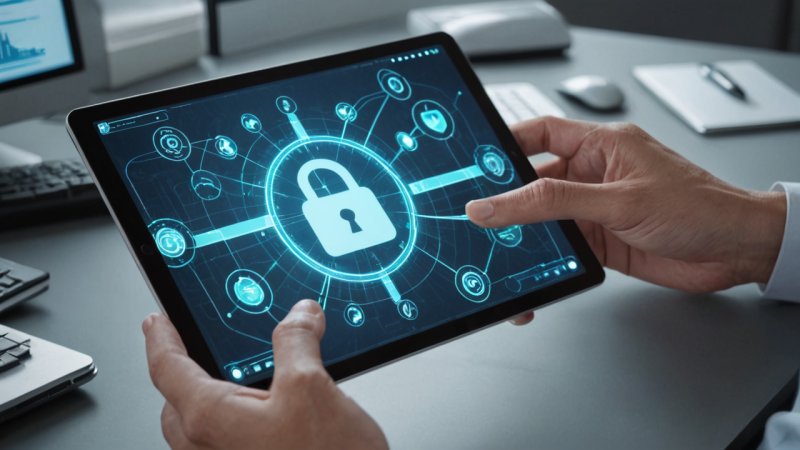
As telehealth continues to gain traction in the healthcare sector, cybersecurity has emerged as a critical component of its evolution. With the increased reliance on digital platforms for healthcare delivery, ensuring the security and privacy of patient data has never been more vital. This article explores five key ways in which cybersecurity is shaping the future of telehealth, highlighting the importance of robust security measures in protecting sensitive health information and enhancing patient trust.
1. Strengthening Data Privacy
Data privacy is paramount in telehealth, where sensitive patient information is transmitted over the internet. Cybersecurity measures such as encryption ensure that only authorized individuals can access this data. By employing strong encryption protocols, healthcare providers can protect patient records from unauthorized access, thereby fostering trust between patients and providers.
2. Enhancing Authentication Mechanisms
Authentication is crucial in verifying the identity of users accessing telehealth platforms. Multi-factor authentication (MFA) has become a standard practice, requiring users to provide multiple forms of verification. This not only deters unauthorized access but also minimizes the risk of identity theft. Healthcare organizations that implement MFA demonstrate a commitment to safeguarding patient information.
3. Regular Security Assessments
Continuous security assessments are essential for identifying vulnerabilities within telehealth systems. Regular penetration testing and security audits help healthcare providers discover potential weaknesses before they can be exploited by cybercriminals. By proactively addressing these vulnerabilities, organizations can improve their security posture and maintain compliance with regulations such as HIPAA.
4. Educating Healthcare Providers and Patients
Cybersecurity education plays a crucial role in mitigating risks associated with telehealth. By training healthcare providers on best practices for data security and privacy, organizations can significantly reduce the likelihood of human error, which is often a primary cause of security breaches. Additionally, educating patients about secure practices, such as recognizing phishing attempts, empowers them to protect their own information.
5. Leveraging Advanced Technologies
The use of advanced technologies like artificial intelligence (AI) and machine learning (ML) is transforming the security landscape of telehealth. These technologies can analyze vast amounts of data to detect anomalies and potential threats in real-time. By integrating AI-driven security solutions, healthcare organizations can enhance their ability to respond to cyber threats quickly and effectively, ensuring the ongoing protection of patient data.
In conclusion, the future of telehealth is closely linked to advancements in cybersecurity. By prioritizing data privacy, enhancing authentication methods, conducting regular security assessments, educating stakeholders, and leveraging advanced technologies, healthcare organizations can create a secure telehealth environment. These measures not only protect sensitive patient information but also foster trust, paving the way for a more resilient healthcare system.