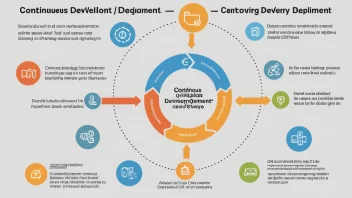
In today's fast-paced software development landscape, adopting a product mindset is essential for teams striving to create impactful solutions. This approach emphasizes understanding user needs, continuous feedback, and iterative improvements, which ultimately leads to more successful products. By shifting focus from merely delivering features to creating value for users, organizations can enhance collaboration, foster innovation, and improve overall project outcomes. Here are five key benefits of embracing a product mindset in software development.
1. Enhanced User-Centric Design
At the core of a product mindset is a deep understanding of user needs. Teams that prioritize user-centric design are better equipped to create products that resonate with their target audience. This approach involves:
- User Research: Conducting interviews, surveys, and usability tests to gather insights.
- Persona Development: Creating detailed user personas that represent the target audience.
- Empathy Mapping: Understanding user emotions and pain points to inform design decisions.
By focusing on the user experience, teams can create intuitive and satisfying products that meet market demands.
2. Improved Collaboration Across Teams
Adopting a product mindset encourages collaboration between cross-functional teams, including developers, designers, and product managers. This collaboration can lead to:
- Shared Goals: Establishing common objectives that align with user needs.
- Open Communication: Fostering an environment where team members can freely share ideas and feedback.
- Agile Methodologies: Implementing agile practices such as daily stand-ups and sprint reviews to enhance teamwork.
When teams work together effectively, they can leverage diverse skill sets and expertise to create better products.
3. Continuous Feedback and Iteration
A product mindset encourages continuous feedback loops that help teams refine their offerings. This process involves:
- Regular User Testing: Gathering user feedback at various stages of development to identify areas for improvement.
- Data-Driven Decisions: Utilizing analytics to inform feature enhancements and product adjustments.
- Rapid Prototyping: Creating minimum viable products (MVPs) that can be tested and iterated upon quickly.
By embracing an iterative approach, teams can adapt to changes in user needs and market conditions, ensuring their products remain relevant.
4. Increased Market Responsiveness
In a competitive market, the ability to respond quickly to changes is crucial. A product mindset allows teams to:
- Identify Trends: Stay ahead of industry trends and user expectations through proactive research.
- Pivot When Necessary: Adapt product strategies based on user feedback and market shifts.
- Launch Faster: Expedite the development process, enabling quicker time-to-market.
This agility empowers organizations to seize opportunities and mitigate risks effectively.
5. Greater Long-Term Value Creation
Ultimately, adopting a product mindset leads to long-term value creation for both users and organizations. This focus on value involves:
- Customer Retention: Building loyalty through consistent delivery of valuable features and improvements.
- Scalability: Designing products that can evolve with user needs and market demands.
- Innovation Culture: Fostering an environment that encourages experimentation and creative problem-solving.
Companies that prioritize a product mindset are better positioned for sustainable growth and success in the long run.
In conclusion, embracing a product mindset in software development offers numerous benefits, including enhanced user-centric design, improved collaboration, continuous feedback and iteration, increased market responsiveness, and greater long-term value creation. By shifting focus from merely delivering features to understanding and meeting user needs, software development teams can drive innovation and create impactful products that resonate with their target audience.