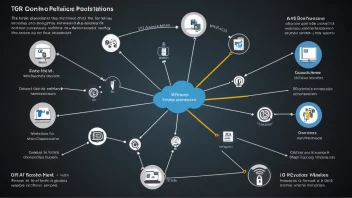
In the age where digital communication is paramount, digital signage has emerged as a vital tool for businesses and organizations looking to engage their audience effectively. From advertising to information dissemination, digital signage systems rely on efficient communication between devices, which is heavily influenced by the network protocols they utilize. These protocols dictate how data is transmitted and received over networks, ensuring that digital signage displays function seamlessly. This article explores the significance of network protocols in digital signage, highlighting their functions, common types, and real-world applications.
The Importance of Network Protocols
Network protocols are a set of rules and conventions for communication between network devices. In the context of digital signage, they serve several critical functions:
- Data Transmission: Network protocols define how data is packaged, transmitted, received, and acknowledged between devices. This ensures that content displayed on digital signage is up-to-date and accurately reflects the intended message.
- Device Interoperability: Different manufacturers may use various hardware and software configurations. Protocols ensure that devices from different vendors can communicate effectively, promoting compatibility and flexibility in system designs.
- Security: Many network protocols incorporate security measures to protect the content delivered to digital displays, preventing unauthorized access and tampering.
- Network Efficiency: Efficient protocols optimize bandwidth usage, reducing latency and ensuring that large files, such as high-resolution images and videos, are transmitted smoothly and quickly.
Common Network Protocols in Digital Signage
There are several network protocols commonly used in digital signage systems. Understanding these protocols can assist businesses and organizations in selecting the right solutions for their needs.
1. TCP/IP
Transmission Control Protocol/Internet Protocol (TCP/IP) is the foundation of internet communication. It breaks data into packets, which are sent over the network and reassembled at the destination. TCP/IP is essential for enabling remote management of digital signage, allowing operators to update content and monitor display statuses from anywhere.
2. HTTP/HTTPS
Hypertext Transfer Protocol (HTTP) and its secure counterpart, HTTPS, are used for transmitting web content. Digital signage systems often utilize these protocols to retrieve content from web servers. HTTPS adds a layer of security, ensuring that sensitive information is encrypted during transmission, which is crucial for protecting proprietary content.
3. MQTT
Message Queuing Telemetry Transport (MQTT) is a lightweight messaging protocol designed for low-bandwidth, high-latency networks. It is ideal for digital signage applications that require real-time updates, such as displaying live social media feeds or news updates. MQTT’s publish/subscribe model enhances scalability and simplifies the management of multiple displays.
4. RTSP
Real-Time Streaming Protocol (RTSP) is utilized for streaming audio and video. In digital signage, RTSP enables the playback of multimedia content, allowing businesses to create dynamic visual experiences. This protocol is essential for delivering live broadcasts or video feeds directly to digital displays.
Applications of Network Protocols in Digital Signage
Network protocols play a pivotal role in various applications of digital signage, enhancing user experience and operational efficiency.
1. Advertising
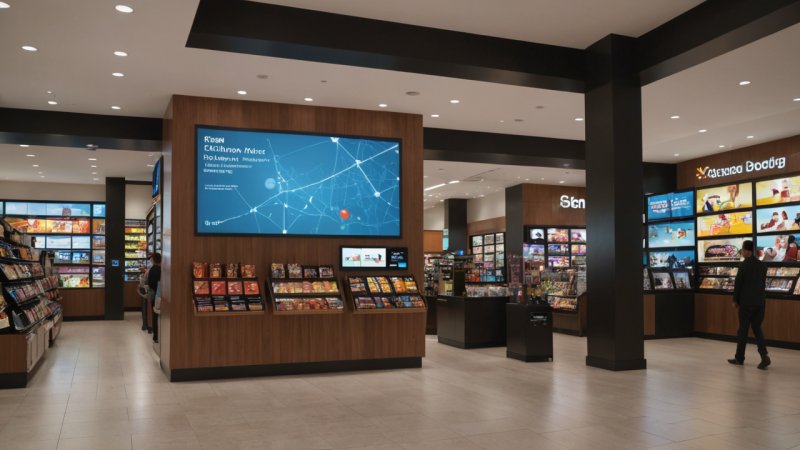
In retail environments, digital signage is used for targeted advertising. By employing protocols like TCP/IP and HTTPS, retailers can update promotional content in real-time, tailoring messages based on customer demographics or inventory levels. This flexibility improves engagement and drives sales.
2. Wayfinding and Information Displays
Museums, airports, and large venues often utilize digital signage for wayfinding. Network protocols facilitate the integration of interactive maps and information systems, allowing visitors to navigate complex environments easily. Real-time updates ensure that information is current, improving the user experience.
3. Event Notifications
In corporate environments, digital signage can be used for internal communications and event notifications. Protocols such as MQTT allow for instant messaging across multiple displays, ensuring that all employees receive timely updates about meetings, emergencies, or important announcements.
4. Social Media Integration
Digital signage can display live social media feeds to engage audiences. By leveraging network protocols like MQTT, businesses can create dynamic displays that showcase user-generated content, enhancing community interaction and brand loyalty.
Case Studies
Examining real-world applications of network protocols in digital signage provides insights into their effectiveness and versatility.
1. Retail Stores
A large retail chain implemented digital signage to showcase promotional offers and seasonal sales. By utilizing TCP/IP and HTTP protocols, they were able to remotely manage and update content across hundreds of stores. The result was a 20% increase in customer engagement and a significant boost in sales during promotional periods.
2. Transportation Hubs
In an airport, digital signage serves as a crucial tool for passenger information. Using RTSP for live video feeds and MQTT for real-time updates, the airport was able to provide travelers with timely flight information, reducing confusion and enhancing the overall travel experience.
3. Corporate Environments
A multinational corporation adopted digital signage for internal communications. By implementing MQTT, they established a system that allowed for instant updates and notifications across multiple office locations. This led to improved employee awareness and engagement, resulting in a more cohesive corporate culture.
Conclusion
Network protocols are fundamental to the operation and effectiveness of digital signage systems. By facilitating seamless communication between devices, ensuring data integrity, and enhancing security, these protocols empower businesses to deliver engaging and dynamic content. As the digital landscape continues to evolve, understanding and leveraging the right network protocols will be crucial for organizations looking to maximize the potential of their digital signage solutions.