As voice over Internet Protocol (VoIP) technology continues to dominate communication methods in both personal and professional realms, ensuring the quality of these voice transmissions has become crucial. Real-Time Control Protocol (RTCP) serves as an essential counterpart to the Real-Time Protocol (RTP), which is responsible for delivering audio and video over IP networks. In this article, we will explore the role of RTCP in VoIP quality monitoring, examining how it operates, its components, and its significance in maintaining high-quality voice communications.
What is RTCP?
RTCP is a protocol that works alongside RTP, providing out-of-band statistics and control information for an RTP stream. While RTP is responsible for delivering the media (voice or video) packets, RTCP provides monitoring and feedback on the quality of the transmission. This feedback is critical for diagnosing and addressing issues related to network performance, such as jitter, latency, and packet loss.
Key Components of RTCP
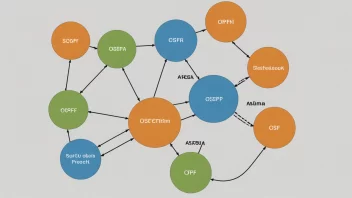
RTCP consists of several components that work together to provide valuable performance data for VoIP applications. The key components include:
- Sender Reports (SR): SR messages are sent by active participants in the RTP session to convey information about the transmission quality. These reports include statistics such as the number of packets sent, the number of bytes sent, and the timestamp for synchronization.
- Receiver Reports (RR): RR messages are sent from receivers back to senders, providing feedback on the quality of the received media. This may include information on packet loss, jitter, and round-trip time, which is essential for adjusting transmission parameters to optimize quality.
- Source Description (SDES): SDES messages provide additional information about the participants, such as their names or emails. This data can help identify users in a communication session.
- Goodbye (BYE): The BYE message is sent when participants leave the session, signaling to others that the sender is no longer active.
- Application Defined (APP): APP messages allow for the inclusion of application-specific information, enabling custom functionalities depending on the application’s requirements.
How RTCP Works in VoIP Quality Monitoring
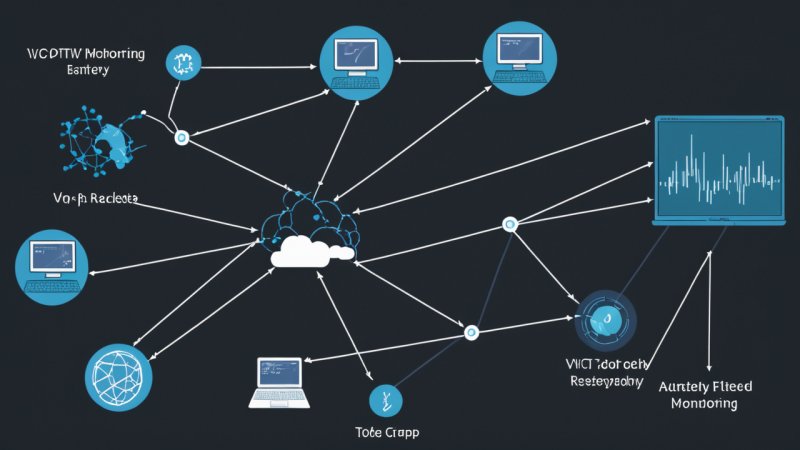
The operation of RTCP is integral to maintaining the quality of VoIP communications. Here’s how it works:
- Periodic Reporting: RTCP sends reports at regular intervals (typically every 5 seconds) to provide continuous feedback about the RTP streams. This interval can be adjusted based on the needs of the application.
- Quality Metrics: The feedback includes metrics like packet loss rates, jitter, and round-trip delay. These metrics are vital for assessing the overall quality of the VoIP call.
- Adaptive Mechanisms: Based on the feedback received, VoIP applications can adapt their transmission by adjusting codec settings, changing packet sizes, or switching to different network paths to mitigate quality issues.
- Participant Identification: RTCP’s SDES messages help participants identify one another, ensuring that users know who they are communicating with, which can be particularly important in larger conferences.
Applications of RTCP in VoIP
The applications of RTCP in VoIP quality monitoring are manifold:
- Network Diagnostics: RTCP provides crucial data that can help network administrators diagnose issues, allowing for proactive management of network resources and troubleshooting of quality issues.
- Quality of Service (QoS) Management: By using RTCP feedback, QoS mechanisms can be implemented to prioritize voice traffic over other types of data, ensuring that voice communications are not negatively impacted by network congestion.
- Call Quality Assessment: Businesses can utilize RTCP reports to evaluate the quality of their calls, allowing them to gauge user satisfaction and improve service delivery.
- Adaptive Streaming: In scenarios where network conditions fluctuate, RTCP can enable dynamic adjustments to the media stream, such as scaling the bitrate to maintain a consistent user experience.
Case Study: RTCP in Action
Consider a medium-sized business that relies heavily on VoIP technology for client communication and internal meetings. The IT department noticed that call quality degraded significantly during peak hours. Using RTCP, they were able to gather data on packet loss, jitter, and latency during these times.
The reports indicated that packet loss increased by 15% during peak hours, resulting in choppy audio. Armed with this information, the IT team prioritized voice traffic on their network switches, ensuring that VoIP packets received higher priority over other data types. Additionally, they configured their VoIP system to switch codecs automatically based on network conditions, improving call clarity.
Challenges and Limitations of RTCP
While RTCP offers many benefits for VoIP quality monitoring, it is not without its challenges:
- Overhead: RTCP adds some overhead to the network. Each RTCP report consumes bandwidth, which can be a concern, particularly in low-bandwidth environments.
- Delay Sensitivity: The periodic nature of RTCP reporting may introduce some latency, which can be problematic in highly sensitive real-time communication scenarios.
- Implementation Complexity: Integrating RTCP effectively into existing VoIP systems can be complex, requiring careful configuration to ensure that it provides accurate and useful feedback.
Future of RTCP in VoIP Quality Monitoring
As VoIP technology continues to evolve, so too will the role of RTCP in ensuring call quality. The rise of high-definition voice codecs and increased usage of VoIP in mobile networks presents new challenges and opportunities for RTCP:
- Enhanced Reporting: Future iterations of RTCP may include more advanced reporting mechanisms that provide richer data on call quality, allowing for even more precise adjustments to be made in real-time.
- Integration with AI: The integration of artificial intelligence in VoIP systems could allow for predictive analytics based on RTCP data, enabling systems to preemptively address potential quality issues.
- Support for New Media Types: As VoIP continues to expand to include video and other media types, RTCP will need to adapt to monitor quality across these new formats effectively.
Conclusion
Real-Time Control Protocol (RTCP) plays a crucial role in maintaining the quality of VoIP communications by providing essential feedback on transmission performance. Its ability to monitor key metrics such as packet loss, jitter, and latency allows VoIP applications to make informed adjustments, ensuring a high-quality user experience. While there are challenges associated with its implementation, RTCP remains a vital tool in the ongoing effort to enhance VoIP quality monitoring. As technology continues to advance, the role of RTCP will likely evolve, further solidifying its importance in the realm of voice communications.