In the intricate world of networking, the Address Resolution Protocol (ARP) plays a crucial role in mapping IP addresses to physical hardware addresses. However, there is another protocol known as Reverse Address Resolution Protocol (RARP) that serves a specific purpose in the networking domain. Understanding RARP is essential for comprehending how devices obtain their IP addresses dynamically.
RARP is primarily used by diskless devices, such as networked printers and thin clients, that require a way to discover their IP addresses. Unlike ARP, which translates IP addresses into MAC addresses, RARP operates in reverse, enabling a device to request its IP address from a server based on its hardware address. This protocol is particularly beneficial in environments where devices do not store their IP configuration permanently.
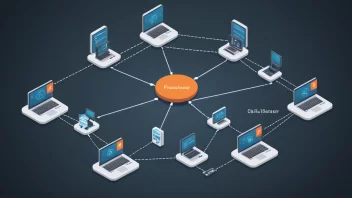
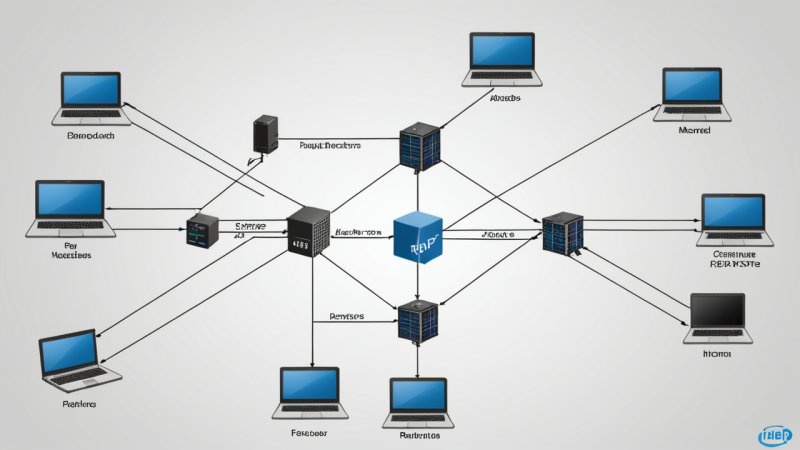
One of the key components of RARP is the RARP server, which responds to requests from clients seeking their IP address. The RARP server maintains a mapping of hardware addresses to IP addresses, allowing it to provide the correct IP address back to the requesting device. This process begins when the device sends a RARP request, which is essentially a broadcast message that includes its MAC address. The RARP server receives this request and replies with the corresponding IP address.
Implementing RARP in a network involves several steps. First, network administrators must set up a RARP server, which can often be configured on a dedicated machine or through a router that supports RARP services. Administrators must then create a mapping of MAC addresses to their corresponding IP addresses within the server’s configuration. As devices boot up and send RARP requests, the server will accurately respond with the correct IP addresses, enabling seamless connectivity and communication within the network.
Although RARP was once widely utilized, it has gradually been replaced by more advanced protocols like Dynamic Host Configuration Protocol (DHCP). DHCP offers a more robust solution for dynamic IP address assignment, allowing for more features such as lease times, IP address reservation, and better error handling. Despite this shift, RARP remains a fundamental concept in networking history, illustrating the evolution of address resolution techniques.
In conclusion, the Reverse Address Resolution Protocol (RARP) plays a vital role in enabling diskless devices to discover their IP addresses from a server based on their hardware addresses. While its usage has declined in favor of more sophisticated protocols like DHCP, understanding RARP is essential for networking professionals. The protocol highlights the importance of address resolution within networks and serves as a foundation for more advanced networking concepts.