Introduction
In this article, we will explore the critical role that network protocols play in edge computing architectures. As edge computing continues to gain traction, understanding the protocols that facilitate communication between distributed devices becomes essential. By the end of this guide, you will have a clear understanding of key network protocols, how they interact within edge computing environments, and practical steps to implement these protocols effectively.
Step 1: Understand Edge Computing
Before delving into network protocols, it’s essential to grasp the concept of edge computing. Edge computing refers to the practice of processing data near the source of data generation rather than relying solely on centralized data centers. This approach reduces latency, enhances speed, and improves overall performance.
Key Characteristics of Edge Computing
- Proximity to Data Sources
- Reduced Latency
- Bandwidth Efficiency
- Enhanced Security
Step 2: Learn About Network Protocols
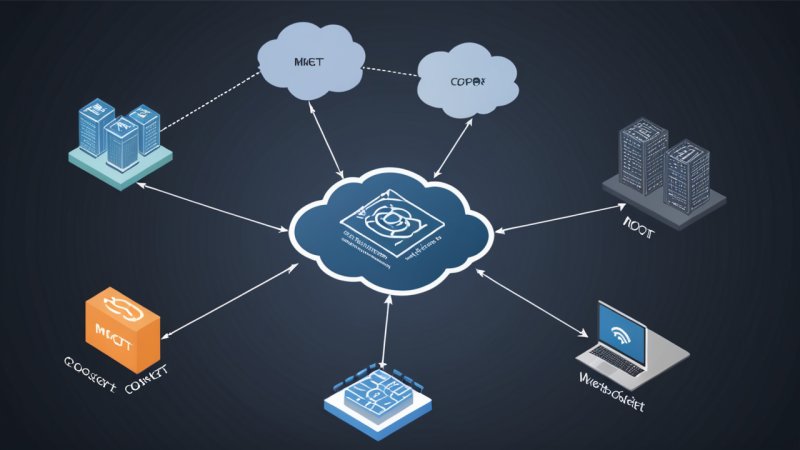
Network protocols are established rules that determine how data is transmitted over a network. In the context of edge computing, several protocols are crucial for communication between devices and systems.
Common Network Protocols in Edge Computing
- HTTP/HTTPS: Used for web-based communications.
- MQTT: A lightweight messaging protocol ideal for IoT devices.
- CoAP: A protocol designed for low-power and constrained devices.
- WebSocket: Allows for persistent connections and real-time data exchange.
Step 3: Analyze the Role of Protocols in Edge Computing
Each protocol serves a unique purpose in edge computing architectures. Understanding their roles will help you select the right protocol for your specific use case.
Functionality of Key Protocols
- Data Transmission: HTTP/HTTPS facilitates standard web communications, making it suitable for applications requiring user interfaces.
- Lightweight Messaging: MQTT is perfect for resource-constrained devices that need to send small amounts of data efficiently.
- Device Communication: CoAP simplifies communication between IoT devices, ensuring low overhead.
- Real-Time Interaction: WebSocket enables real-time data transfer, making it ideal for applications like live monitoring.
Step 4: Implement Network Protocols in Your Edge Computing Architecture
Now that you understand the different protocols and their roles, it’s time to implement them in your edge computing architecture.
Implementation Steps
1. Define Your Use Case: Identify what you want to achieve with your edge computing solution.
2. Choose the Right Protocol: Based on your use case, select the most suitable protocol(s).
3. Set Up Devices: Configure edge devices and ensure they are capable of running the chosen protocols.
4. Establish Communication: Implement the selected protocols to ensure seamless data transmission between devices.
5. Test and Optimize: Monitor performance and make necessary adjustments to improve efficiency.
Step 5: Case Studies of Successful Implementations
Understanding real-world applications can provide insight into how network protocols have been effectively utilized in edge computing.
Case Study 1: Smart Agriculture
A smart agriculture solution utilized MQTT to connect sensors in the field with a cloud-based data analysis platform. By employing this lightweight protocol, the system minimized data transmission costs and improved response times.
Case Study 2: Industrial IoT
A manufacturing company implemented CoAP in its edge devices to monitor machinery status. This helped in predictive maintenance, significantly reducing downtime and operational costs.
Summary and Final Advice
In summary, understanding the role of network protocols in edge computing architectures is essential for building efficient and effective systems. By following the steps outlined in this guide, you can select and implement the right protocols for your specific needs. Always remember to keep your architecture flexible to adapt to future technological advancements and ensure robust performance.