Introduction
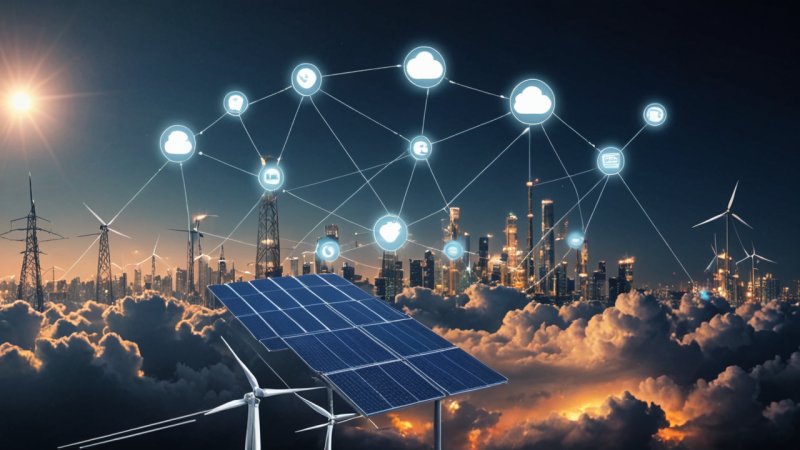
As the world moves towards more sustainable energy solutions, smart grids are becoming an essential part of modern infrastructure. Cloud technologies play a pivotal role in enhancing the capabilities and efficiency of smart grids. This article explores the top five innovations in cloud technologies that are transforming smart grid operations.
1. Data Analytics and Predictive Maintenance
Cloud-based data analytics tools enable energy companies to analyze vast amounts of data collected from smart grid sensors. By utilizing machine learning algorithms, these tools can predict potential failures in equipment, allowing for proactive maintenance.
2. Real-time Monitoring and Control
Cloud technologies provide real-time monitoring capabilities, allowing utility companies to manage the grid effectively. With cloud platforms, operators can access data anytime from anywhere, facilitating immediate response to outages and other issues.
3. Enhanced Security Protocols
Security is paramount in smart grid operations. Cloud technologies are integrating advanced security protocols, such as encryption and multi-factor authentication, to safeguard sensitive data against cyber threats. This ensures that the grid remains resilient and trustworthy.
4. Scalability and Flexibility
One of the significant advantages of cloud computing is its scalability. As demand for energy fluctuates, cloud resources can be scaled up or down to match needs without significant capital investment. This flexibility allows for more efficient energy distribution.
5. Integration with IoT Devices
The Internet of Things (IoT) is revolutionizing the way data is collected and utilized in smart grids. Cloud technologies facilitate the integration of IoT devices, enabling better communication between devices and centralized data analysis. This leads to improved decision-making and operational efficiency.
Conclusion
Cloud technologies are at the forefront of smart grid innovations, offering numerous benefits such as enhanced data analytics, real-time monitoring, improved security, scalability, and seamless integration with IoT devices. By leveraging these advancements, energy companies can significantly enhance their operational efficiency and reliability.