Introduction
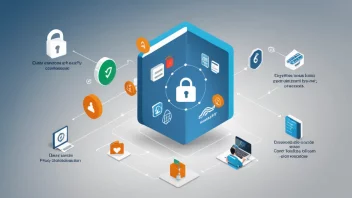
In today's uncertain world, effective disaster preparedness is vital for communities to withstand and recover from natural disasters. Cloud computing has emerged as a transformative technology that can enhance disaster preparedness, making data management and communication more efficient. Below are the top five cloud solutions that can significantly bolster disaster preparedness in communities.
1. Cloud-Based Emergency Management Systems
These systems leverage cloud technology to provide real-time information and coordination during emergencies. They facilitate communication among various agencies, ensuring that everyone involved has access to the same data.
Key Features:
- Real-Time Data Sharing: Provides up-to-date information on emergencies.
- Collaboration Tools: Enables seamless coordination between agencies.
2. Geographic Information Systems (GIS) on the Cloud
Cloud-based GIS platforms allow communities to visualize data related to disaster risks. They can help identify vulnerable areas and optimize resource allocation before a disaster strikes.
Key Features:
- Mapping Capabilities: Offers detailed maps of risk zones.
- Data Integration: Combines various data sources for comprehensive analysis.
3. Cloud Storage for Data Recovery
Storing critical community data in the cloud ensures its safety during disasters. Cloud storage solutions offer automatic backups and recovery options, making it easier to restore information post-disaster.
Key Features:
- Automatic Backups: Regularly saves data to prevent loss.
- Scalability: Easily adjusts storage capacity based on community needs.
4. Mobile Applications for Community Alerts
Cloud-enabled mobile applications can send alerts and notifications about impending disasters to community members. These apps can also provide vital information, such as evacuation routes and safety tips.
Key Features:
- Push Notifications: Instantly alerts users about emergencies.
- Interactive Maps: Displays real-time updates on emergency situations.
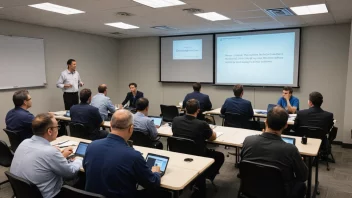
5. Training and Simulation Platforms
Cloud-based training platforms can simulate disaster scenarios for community leaders and responders. These simulations can prepare personnel for real-life emergencies and improve response times.
Key Features:
- Scenario-Based Learning: Offers realistic training exercises.
- Accessibility: Allows users to access training materials from any location.
Conclusion
Implementing these cloud solutions can significantly enhance disaster preparedness in communities. By leveraging technology, communities can improve information sharing, data management, and overall response capabilities during emergencies. The integration of cloud computing into disaster preparedness strategies is essential for building resilient communities that can effectively manage and recover from disasters.