Introduction
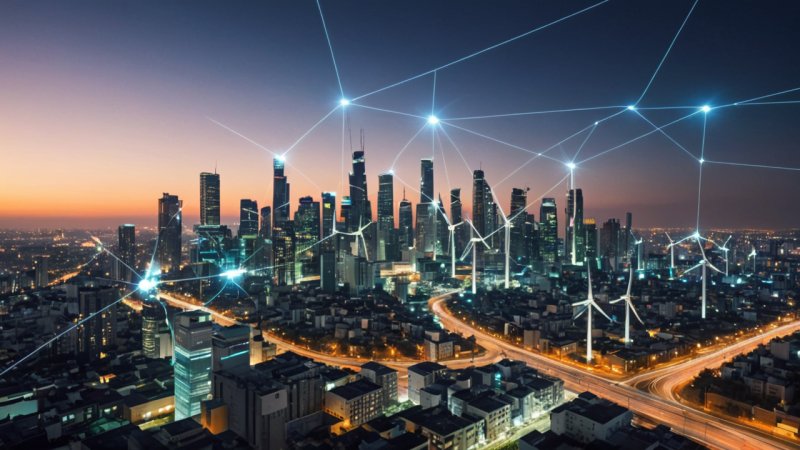
As the world shifts towards sustainable energy solutions, smart energy grids powered by cloud innovations have emerged as a pivotal technology. These grids leverage cloud computing to enhance energy distribution, optimize consumption, and improve overall efficiency. In this article, we will address common questions regarding cloud innovations in smart energy grids, providing a comprehensive overview of their significance and functionality.
What is a smart energy grid?
A smart energy grid is an electrical grid that uses digital technology to monitor and manage the transport of electricity from all generation sources to meet the varying electricity demands of end-users. It incorporates smart meters, automation, and communication technologies to improve the reliability and efficiency of the energy supply.
How do cloud innovations enhance smart energy grids?
Cloud innovations enhance smart energy grids by providing scalable data storage, advanced analytics, and real-time processing capabilities. This allows for better data management, predictive maintenance, and demand-response strategies, enabling utilities to respond quickly to changes in energy demand and supply.
What role does data analytics play in smart energy grids?
Data analytics plays a crucial role in smart energy grids by analyzing vast amounts of data generated from smart meters and sensors. This analysis helps utilities understand consumption patterns, predict peak demand, and optimize energy distribution, ultimately leading to cost savings and improved service reliability.
What are the benefits of using cloud computing for energy management?
- Scalability: Cloud solutions can easily scale to accommodate the growing data needs of energy management systems.
- Cost Efficiency: Reduces the need for significant upfront investment in hardware and maintenance.
- Real-Time Monitoring: Enables utilities to monitor energy usage and grid status in real-time, facilitating quicker decision-making.
- Enhanced Collaboration: Cloud platforms allow for seamless collaboration between various stakeholders in the energy ecosystem.
What challenges do cloud innovations face in smart energy grids?
Despite their benefits, cloud innovations face challenges such as data security concerns, integration with legacy systems, and the need for reliable internet connectivity. Additionally, regulatory and compliance issues can complicate the implementation of cloud-based solutions in the energy sector.
Can you provide examples of cloud innovations in smart energy grids?
Several companies have successfully implemented cloud innovations in their smart energy grids:
- Siemens: Utilizes cloud technology for its Smart Grid solutions, enabling real-time data processing and analytics.
- General Electric: Offers cloud-based energy management solutions that optimize grid performance and reliability.
- IBM: Provides cloud services that integrate AI and machine learning to enhance predictive maintenance in energy systems.
How do smart energy grids contribute to sustainability?
Smart energy grids contribute to sustainability by facilitating the integration of renewable energy sources, reducing energy waste, and enabling consumers to make informed decisions about their energy usage. This leads to lower carbon emissions and supports global efforts to combat climate change.
What is the future of cloud innovations in smart energy grids?
The future of cloud innovations in smart energy grids looks promising, with advancements in AI, machine learning, and IoT set to revolutionize energy management. As technologies evolve, we can expect even greater efficiencies, enhanced grid resilience, and increased adoption of renewable energy sources.
Conclusion
Cloud innovations are transforming smart energy grids, making them more efficient, reliable, and sustainable. By addressing common questions about their role and benefits, we can better understand how these technologies are shaping the future of energy management. As we move forward, continued innovation in this space will be crucial for achieving a sustainable energy future.