Open source projects have become a vital part of the technological landscape, offering flexibility, innovation, and community-driven development. However, one of the most significant challenges these projects face is securing adequate funding. In this article, we will explore various strategies and insights on how to effectively secure funding for open source initiatives.
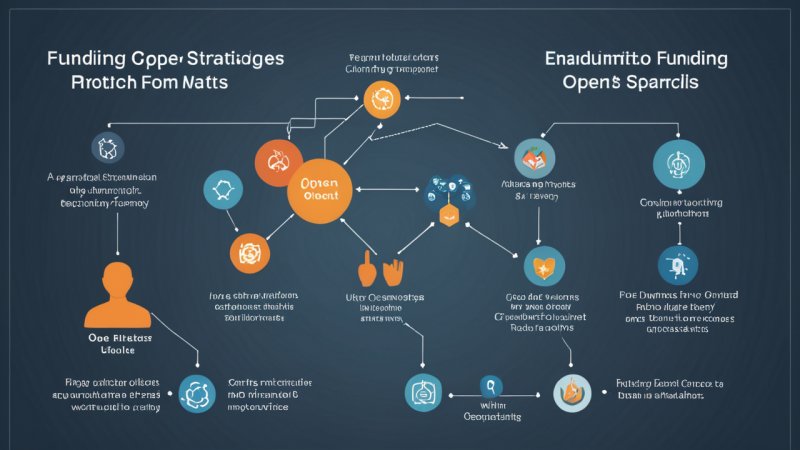
Firstly, understanding the funding landscape is crucial. Open source projects can be funded through various channels, including grants, sponsorships, and crowdfunding. Organizations such as the Mozilla Foundation, the Linux Foundation, and others offer grants specifically for open source development. Additionally, many tech companies are willing to sponsor projects that align with their interests or business models, as they benefit from the advancements made in the open source community.
Another effective strategy is to build a strong community around the project. Engaging contributors and users is essential for demonstrating the project's impact and potential. This can be achieved through regular updates, active communication on platforms like GitHub, and social media engagement. A well-documented project with a vibrant community can attract attention from potential funders who value community contributions.
Crowdfunding platforms like Kickstarter and Indiegogo can also be utilized to raise funds. By showcasing the project's goals, timeline, and benefits, creators can appeal to a broad audience willing to support innovative ideas. In addition, platforms like Open Collective and Patreon allow developers to receive ongoing financial support from individual backers, ensuring sustainability over time.
Moreover, it's essential to create a compelling narrative around the project. Funders often want to know how their contributions will make a difference. Clearly articulating the project's mission, its societal impact, and how the funds will be utilized can significantly enhance the likelihood of securing funding. Case studies of successful projects can serve as powerful testimonials to show potential funders the value and success of similar ventures.
Networking and establishing relationships with stakeholders in the tech industry is another crucial aspect of securing funding. Attending conferences, participating in hackathons, and engaging with other developers can open doors to potential funding opportunities. By building a robust professional network, project leaders can connect with individuals who may be interested in investing in their projects.
Finally, transparency in how funds are allocated and utilized is imperative. Providing regular financial reports and updates to funders fosters trust and encourages ongoing support. Open source projects that demonstrate accountability and transparency are more likely to attract and retain funding.
In conclusion, securing funding for open source projects requires a multifaceted approach that includes understanding the funding landscape, building a community, leveraging crowdfunding, crafting a persuasive narrative, networking, and maintaining transparency. By implementing these strategies, open source projects can enhance their chances of obtaining the necessary financial support to thrive and innovate.