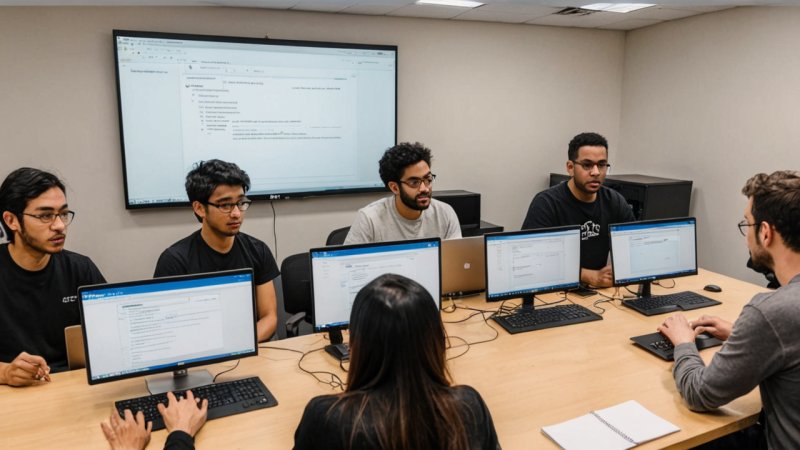
User testing is a critical component in the development of open source software. It helps developers understand how real users interact with their software and identifies areas for improvement. This article explores the best practices for conducting effective user testing in the context of open source projects.
Open source software often relies on community contributions, making user feedback essential for enhancing usability and functionality. By involving users early in the development process, developers can gather insights that lead to more user-friendly designs. Here are some key points to consider when conducting user testing:
- Define Clear Objectives: Before initiating user testing, it's crucial to have clear goals. What specific aspects of the software are you testing? Are you looking for feedback on usability, functionality, or performance? Defining objectives helps in designing the testing process.
- Identify Your User Base: Understanding who your users are is vital. This includes defining demographics, technical proficiency, and user needs. Engaging a diverse group of users will result in a broader perspective on how the software functions in real-world scenarios.
- Choose the Right Testing Method: There are various methods to conduct user testing, including remote usability testing, in-person testing, and A/B testing. Each method has its pros and cons, so choose one that aligns with your objectives and user base.
- Prepare Effective Tasks: Create tasks that mimic real-world usage of the software. This will enable testers to provide feedback based on genuine use cases. Ensure that tasks are clear and achievable within the testing timeframe.
- Record Sessions: Consider recording user sessions (with permission) to gain deeper insights into user behavior. Observing how users navigate the software can reveal pain points that might not be articulated in feedback forms.
- Gather Qualitative and Quantitative Data: Use a mix of qualitative feedback (user comments) and quantitative metrics (task completion rates, time on task) to analyze user performance. This comprehensive approach helps in making informed decisions about necessary improvements.
- Iterate Based on Feedback: After conducting user tests, analyze the data thoroughly. Identify common issues raised by users and prioritize them for future updates. Iterative testing ensures continuous improvement of the software.
Case studies have shown that successful user testing can lead to significant enhancements in software usability. For instance, a popular open source project improved its user interface based on feedback from testing sessions, which led to a 30% increase in user satisfaction ratings. Such examples highlight the importance of user involvement in the development cycle.
In conclusion, effective user testing for open source software involves defining clear objectives, engaging a diverse user base, and employing suitable testing methods. By gathering and analyzing user feedback, developers can create software that truly meets the needs of its users. Emphasizing user testing not only enhances the product but also fosters a more engaged community around the open source project.