Introduction
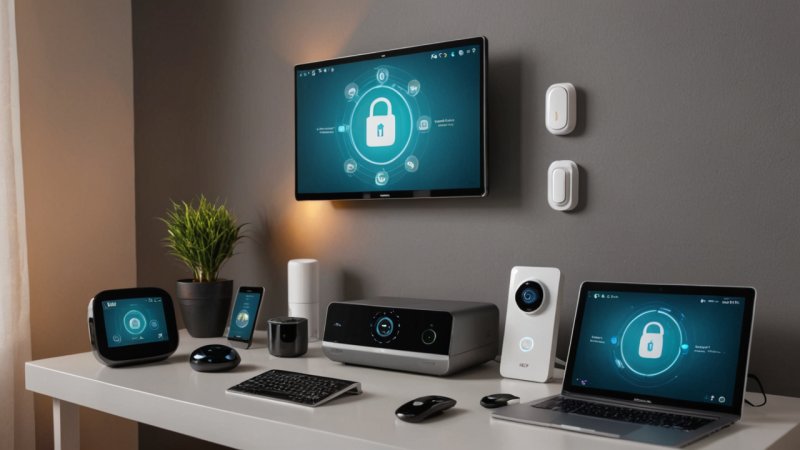
As smart home technology becomes increasingly prevalent, it brings with it a host of cybersecurity risks that can compromise the safety and privacy of users. From smart speakers to connected appliances, these devices often lack robust security measures, making them attractive targets for cybercriminals. In this article, we will explore the top seven cybersecurity risks associated with smart home technology and provide actionable recommendations to help mitigate these threats.
1. Weak Passwords
Many smart devices come with default passwords that are easy to guess or find online. Users often neglect to change these passwords, leaving their devices vulnerable.
- Recommendation: Always change default passwords to strong, unique ones that combine letters, numbers, and special characters.
2. Lack of Regular Updates
Smart devices frequently require firmware updates to patch vulnerabilities, yet many users ignore these updates.
- Recommendation: Enable automatic updates whenever possible to ensure devices are always running the latest security patches.
3. Unsecured Wi-Fi Networks
Using an unsecured Wi-Fi network can expose smart home devices to unauthorized access.
- Recommendation: Use WPA3 encryption on your Wi-Fi network and regularly change your Wi-Fi password.
4. Insecure IoT Protocols
Many smart home devices communicate using insecure protocols, making them susceptible to interception.
- Recommendation: Opt for devices that support secure communication protocols such as HTTPS or MQTT with TLS.
5. Lack of Device Segmentation
Connecting all smart devices to the same network can create a single point of failure for security.
- Recommendation: Create a separate network for smart home devices to limit potential breaches.
6. Insufficient User Awareness
Many users are unaware of the risks associated with smart home technology and the importance of cybersecurity practices.
- Recommendation: Educate yourself and your family about smart home security practices, including recognizing phishing attempts and social engineering.
7. Data Privacy Concerns
Smart home devices often collect personal data, raising concerns about how this data is stored and used.
- Recommendation: Review the privacy policies of devices and choose those with strong data protection measures.
Conclusion
Smart home technology offers convenience and efficiency, but it also introduces significant cybersecurity risks. Users must remain vigilant and proactive in securing their devices. By implementing strong passwords, ensuring regular updates, securing Wi-Fi networks, opting for secure protocols, segmenting networks, enhancing user awareness, and being mindful of data privacy, individuals can significantly reduce their exposure to cyber threats. Staying informed and taking preventative measures is key to enjoying the benefits of smart technology while keeping your home safe.