User personas and user stories are two essential tools in the software development process that help teams understand and meet the needs of their users. Both concepts aim to improve the user experience and drive product success, but they do so in different ways. This article aims to compare user personas and user stories, highlighting their unique characteristics, pros and cons, and how they can be effectively implemented in software development.
Understanding User Personas
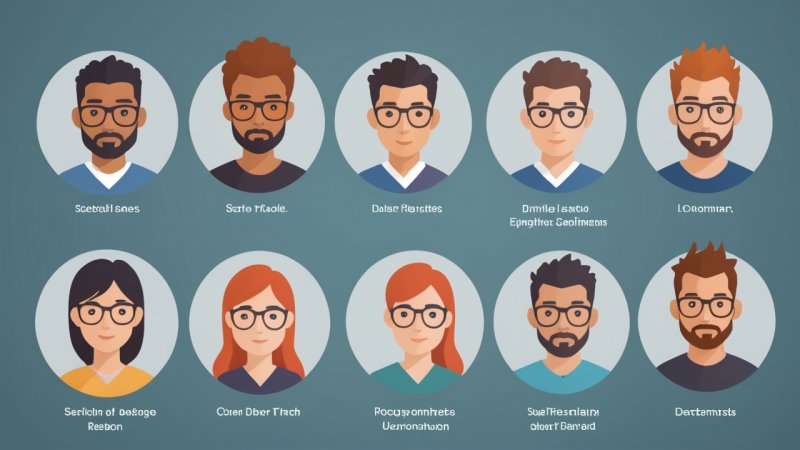
User personas are fictional characters that represent the various user types who might interact with a product. They are based on user research and data, encapsulating the goals, behaviors, and challenges of real users. Personas help developers and designers empathize with users, ensuring that the end product aligns with user needs.
Pros of User Personas
- Enhanced Empathy: Personas provide a tangible representation of users, fostering empathy within the development team.
- Informed Decision-Making: They guide product features and design choices based on user behavior and preferences.
- Focus on User Needs: Helps keep the team's focus on real user needs rather than assumptions.
Cons of User Personas
- Time-Consuming: Creating accurate personas requires extensive research and analysis.
- Potential Misrepresentation: If not based on solid data, personas can lead to misconceptions about user needs.
Understanding User Stories
User stories are short, simple descriptions of a feature from the perspective of the user. They are typically structured in a format that includes who the user is, what they want, and why they want it. User stories are integral to Agile methodologies and help teams prioritize features based on user value.
Pros of User Stories
- Concise and Actionable: User stories are brief and focused, making them easy to understand and implement.
- Encourages Collaboration: They promote discussions among team members about user needs and feature priorities.
- Easy to Prioritize: User stories can be quickly ranked based on user value and business goals.
Cons of User Stories
- Lack of Detail: User stories can be too vague, leading to confusion without adequate context.
- Over-Simplification: Important aspects of user experience can be overlooked in the brevity of user stories.
Key Differences Between User Personas and User Stories
While both user personas and user stories aim to improve the user experience, they serve different purposes and offer distinct perspectives within the development process.
Focus
User personas focus on understanding the characteristics, motivations, and goals of users, while user stories concentrate on the tasks users want to accomplish with the product.
Format
User personas are detailed profiles that include demographic information, user goals, and pain points, whereas user stories are brief statements that follow a specific format (e.g., As a [type of user], I want [goal] so that [reason]).
Usage in Development
Personas are primarily used in the early stages of product development for research and design considerations, while user stories are used throughout the development process to guide feature implementation and prioritize work.
Implementation Examples
To illustrate how user personas and user stories can be effectively implemented, consider the following examples from a fictional software development project aimed at creating a fitness tracking application.
Creating User Personas
The development team conducts user interviews and surveys to gather data about potential users. They create several personas, such as:
- Fitness Enthusiast: A 30-year-old male who regularly exercises and seeks advanced tracking features.
- Casual User: A 45-year-old female who exercises occasionally and prefers a user-friendly interface.
- Health-Conscious Parent: A 35-year-old parent looking to monitor family health and activity levels.
Writing User Stories
With the personas established, the team drafts user stories based on their needs:
As a fitness enthusiast, I want to track my workouts in real-time so that I can monitor my progress.As a casual user, I want a simple setup process so that I can start using the app quickly.As a health-conscious parent, I want to set activity goals for my children so that I can encourage their fitness.
Case Studies
Several companies have successfully leveraged user personas and user stories in their software development processes. For instance:
Case Study 1: Spotify
Spotify uses user personas to understand their diverse customer base, which helps them tailor features and improve user experience. By analyzing user behaviors, they have created personalized playlists and recommendations that cater to different music preferences.
Case Study 2: Airbnb
Airbnb employs user stories to guide feature development. Each user story reflects the needs of hosts and guests, ensuring that both sides of the marketplace have a seamless experience. This approach has allowed Airbnb to refine its platform continuously based on user feedback.
Conclusion
In conclusion, both user personas and user stories play crucial roles in software development, each offering unique benefits and challenges. User personas are valuable for understanding the broader context of user needs, while user stories provide a practical framework for implementing specific features. When used in conjunction, they can create a comprehensive understanding of users that enhances product design and functionality. For teams looking to improve their development process, integrating both tools can lead to more user-centered products and ultimately increase user satisfaction.