In recent years, the landscape of global supply chains has been dramatically transformed by the advent of cloud computing. This technology allows for enhanced flexibility, scalability, and collaboration compared to traditional IT infrastructure. As organizations face increasing pressures to remain resilient in the face of disruptions, understanding the differences between these two approaches becomes critical. This article will delve into the comparison between cloud computing and traditional IT infrastructure, examining their advantages, disadvantages, and applicability to global supply chain resilience.
Understanding Cloud Computing
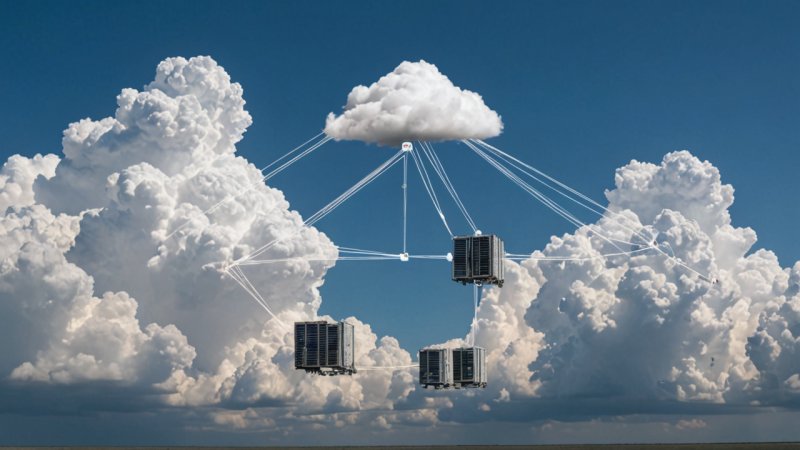
Cloud computing refers to the delivery of computing services over the internet, including storage, processing, and software applications. These services are typically hosted on remote servers managed by cloud service providers (CSPs), allowing businesses to access resources on-demand and pay only for what they use.
Understanding Traditional IT Infrastructure
Traditional IT infrastructure involves on-premises servers, databases, and applications that are physically located within an organization's facilities. This model requires substantial capital investment and ongoing maintenance, as companies are responsible for managing hardware, software, and security.
Scalability
Cloud Computing: One of the primary advantages of cloud computing is its scalability. Organizations can quickly scale resources up or down based on demand. This flexibility is particularly beneficial for supply chains that experience seasonal fluctuations or unexpected spikes in demand.
Traditional IT Infrastructure: Scaling traditional IT infrastructure often requires significant time and financial investment. Adding new servers or upgrading existing hardware can lead to downtime and disrupt operations, making it less adaptable to changing market conditions.
Cost Efficiency
Cloud Computing: Cloud services operate on a pay-as-you-go model, which can lead to lower upfront costs and predictable monthly expenses. Organizations can avoid the costs of purchasing and maintaining hardware, making it a more economical choice for many businesses.
Traditional IT Infrastructure: While traditional infrastructure may have lower ongoing costs once established, the initial capital expenditure can be prohibitively high. Additionally, ongoing maintenance and upgrade costs can accumulate over time, leading to higher total cost of ownership.
Accessibility and Collaboration
Cloud Computing: Cloud-based solutions enable remote access to data and applications from anywhere with an internet connection. This accessibility fosters collaboration among supply chain partners, allowing real-time data sharing and decision-making.
Traditional IT Infrastructure: Access to data in traditional setups is often limited to on-site personnel, which can hinder collaboration and slow down response times in a global supply chain context. Remote access solutions can be implemented, but they often come with additional complexity and security concerns.
Security and Compliance
Cloud Computing: Cloud providers typically invest heavily in security measures and compliance certifications, benefiting organizations that may lack the resources to implement similar security protocols. However, businesses must trust third-party providers with sensitive data, which can be a concern for some.
Traditional IT Infrastructure: Organizations that maintain their own IT infrastructure have complete control over security measures and data storage. However, this can lead to vulnerabilities if proper protocols are not implemented, and maintaining robust security measures can be costly and time-consuming.
Disaster Recovery and Business Continuity
Cloud Computing: Cloud services often include built-in disaster recovery solutions, allowing organizations to quickly restore data and applications in the event of an outage. This capability is crucial for maintaining supply chain operations during disruptions.
Traditional IT Infrastructure: Disaster recovery planning for traditional IT setups can be complex and costly. Organizations must invest in backup systems and ensure that data is regularly backed up to avoid potential losses.
Vendor Lock-in
Cloud Computing: One of the drawbacks of cloud computing is the potential for vendor lock-in. Organizations may find it challenging to migrate their data and applications from one provider to another due to compatibility issues or proprietary systems.
Traditional IT Infrastructure: Traditional setups allow for more flexibility in choosing hardware and software solutions. However, they may also involve reliance on specific vendors for maintenance and support, which can lead to similar lock-in scenarios.
Case Studies
Cloud Computing Example: A leading global retailer adopted cloud-based supply chain management software to enhance its inventory tracking and order fulfillment processes. By leveraging cloud technology, the retailer improved visibility across its supply chain, reduced lead times, and achieved greater responsiveness to market demands.
Traditional IT Infrastructure Example: A manufacturing company that utilized traditional IT infrastructure faced challenges during the COVID-19 pandemic. With limited remote access to its systems, the company struggled to adapt to changes in demand and maintain operations, ultimately leading to disruptions in its supply chain.
Conclusion
In summary, while both cloud computing and traditional IT infrastructure have their merits, the rapid pace of change in global supply chains necessitates a more agile and scalable approach. Cloud computing offers significant advantages in terms of scalability, cost efficiency, accessibility, and disaster recovery, making it a compelling choice for organizations looking to enhance their supply chain resilience. However, businesses must carefully evaluate their security, compliance, and potential vendor lock-in concerns. Ultimately, the decision should align with the organization's specific needs and long-term strategic goals.