Introduction
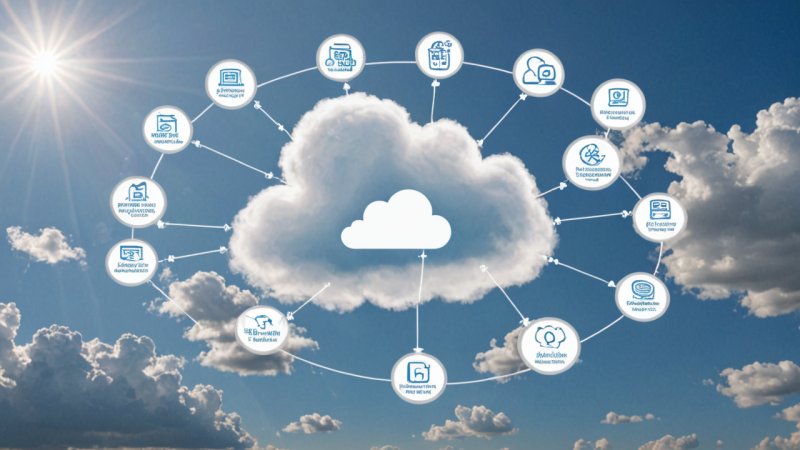
As the nonprofit sector continues to evolve, the integration of cloud computing has become a game-changer. Modern cloud solutions are streamlining operations, enhancing communication, and improving service delivery. Here, we explore the top five cloud computing innovations that are shaping the future of nonprofits.
1. Data Management and Analytics
Cloud computing offers powerful data management tools that allow nonprofits to collect, store, and analyze vast amounts of data efficiently. This innovation enables organizations to derive insights that inform decision-making processes and improve program outcomes.
Key Benefits:
- Scalability: Easily adjust storage capacity as data grows.
- Real-time Analytics: Access up-to-date information for better strategic planning.
- Cost-effective: Pay for only the resources used, reducing overhead costs.
2. Collaboration Tools
Cloud-based collaboration tools like Google Workspace and Microsoft 365 are revolutionizing how nonprofits communicate and collaborate. These platforms allow teams to work together in real-time, regardless of their physical location, enhancing productivity and teamwork.
Key Features:
- Document Sharing: Easily share and edit documents simultaneously.
- Virtual Meetings: Conduct meetings via video conferencing tools.
- Task Management: Assign and track tasks collaboratively.
3. Cloud-Based Fundraising Solutions
Innovative cloud-based fundraising platforms are changing how nonprofits raise funds. Tools like Classy and Donorbox provide user-friendly interfaces for managing donations, campaigns, and donor relationships, empowering organizations to maximize their fundraising efforts.
Benefits of Cloud Fundraising:
- Accessibility: Easy access for donors to contribute anytime, anywhere.
- Customizable Campaigns: Tailor fundraising campaigns to specific audiences.
- Integrated Payment Processing: Seamlessly accept various payment methods.
4. Enhanced Security Measures
With increasing concerns around data security, cloud computing offers innovative security solutions to protect sensitive information. Nonprofits can utilize encryption, multi-factor authentication, and regular security audits to safeguard their data.
Security Innovations:
- Data Encryption: Protect data both at rest and in transit.
- Access Controls: Implement role-based access to limit data exposure.
- Regular Backups: Ensure data recovery options are in place in case of incidents.
5. Cloud-Based Volunteer Management Systems
Managing volunteers effectively is crucial for nonprofit organizations. Cloud-based volunteer management systems help streamline the recruitment, scheduling, and communication processes, making it easier to engage volunteers.
Key Features:
- Volunteer Scheduling: Manage shifts and availability easily.
- Communication Tools: Send updates and reminders through the platform.
- Impact Tracking: Monitor volunteer contributions and impact.
Conclusion
The future of cloud computing in the nonprofit sector is bright, with innovations that enhance efficiency, security, and collaboration. By embracing these cloud solutions, nonprofits can better serve their communities and achieve their missions effectively. The key takeaways include leveraging data management tools, utilizing collaboration platforms, and adopting cloud security measures to thrive in an ever-changing landscape.